
 In your quote
In compare
Hand Cutting Tools
106 products · Hand Tools for Construction
Hand tools for cutting, on site, in the workshop and in maintenance: utility knives, scissors, shears, hacksaws, glass cutters and replacement blades for the various materials.
Types available
- Utility knives and trimming knives, also with replacement blades included (Fervi, Pavan).
- Scissors and tinsnips for paper, fabric and sheet metal (Fervi, Vigor, DeWalt).
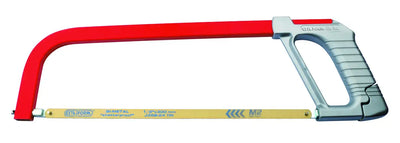
- Hacksaws and blades, including bi-metal blades for hacksaws and Japanese saws (Unifix, Fervi, DeWalt).
- Glass cutters and cable cutters with insulated handle (Metrica, Pavan).
How to choose
Start from the material to be cut: paper and plasterboard, sheet metal, glass, electrical cables. Then consider how easy it is to change the blades, the grip and, for work on installations, the insulation of the handle.
Replacement blades and accessories belong to the same family: replacing the worn blade is more practical than changing the tool and keeps the cut clean. For work near electrical installations it is preferable to use tools with insulated handles.
For the list of models, write to or call AMES: supply is by quotation.
Active filters:
Products in this collection
In your quote
In compare
 In your quote
In compare
 In your quote
In compare
 In your quote
In compare
 In your quote
In compare
 In your quote
In compare
 In your quote
In compare
 In your quote
In compare
 In your quote
In compare
 In your quote
In compare
 In your quote
In compare
 In your quote
In compare
 In your quote
In compare
 In your quote
In compare
 In your quote
In compare
 In your quote
In compare
 In your quote
In compare
 In your quote
In compare
 In your quote
In compare
 In your quote
In compare
 In your quote
In compare
 In your quote
In compare
 In your quote
In compare
 In your quote
In compare
Raimondi
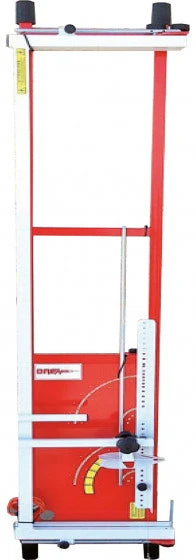
Hot wire cutter for polystyrene panels POLYSTYCUT Raimondi
Code POLYSTYCUT-TAGLIERINA-A-CALDO-PER-PANNELLI-IN-POLI
Frequently asked questions: Hand Cutting Tools
Which cutter should I use for plasterboard?
For plasterboard, use a utility knife with a snap-off blade: it scores the board on one side, then snaps it and cuts the paper on the other. The collection includes utility knives and craft knives, including ones with spare blades included, from brands such as Fervi and Pavan. Change the blade as soon as it stops cutting cleanly, because a blunt blade tears the paper.
Wheel or oil glass cutter: what is the difference?
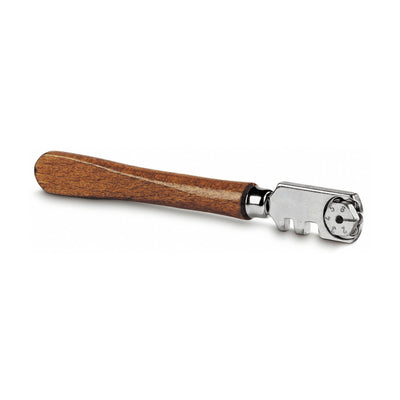
A wheel glass cutter scores the glass surface with a carbide wheel, and the glass breaks along the scored line. An oil glass cutter lubricates the wheel during cutting, giving a more even cut. The collection includes lubricated glass cutters, the Silberschnitt art. 100 and art. 400, and the Metrica oil glass cutter.
Left or right sheet metal shears: how do you choose?
Sheet metal shears are chosen according to the cutting direction: left-cut shears cut to the left, right-cut shears to the right, and straight-cut shears cut in a straight line. The collection includes the Fervi 0655/L, 0655/S and 0655/R. Choose the shears that let you follow the cut line with the blade clearly visible.
Hacksaw and bimetal blade: when should you use it?
The bimetal blade for a hacksaw and a Japanese saw combines a high-speed steel tooth with a more flexible body, and lasts longer on metals and other materials. It is used to cut tubes, profiles and metal parts in workshops or on site. The collection includes bimetal blades from Unifix, Fervi and DeWalt. Choose the tooth pitch according to the thickness of the workpiece.
Multi-tool or fixed-blade knife: which to choose?
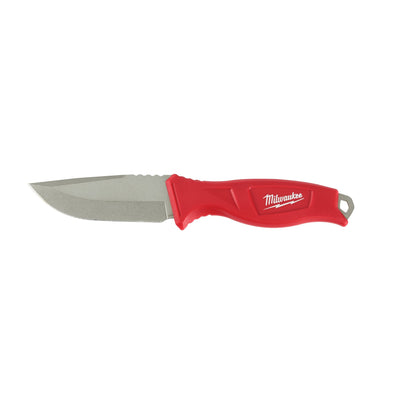
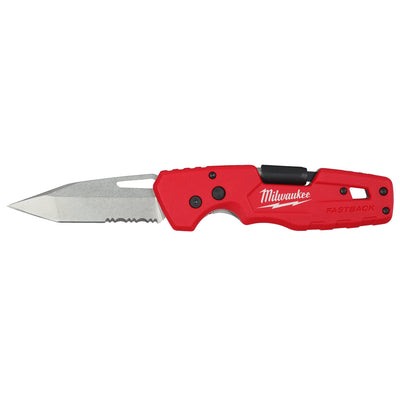
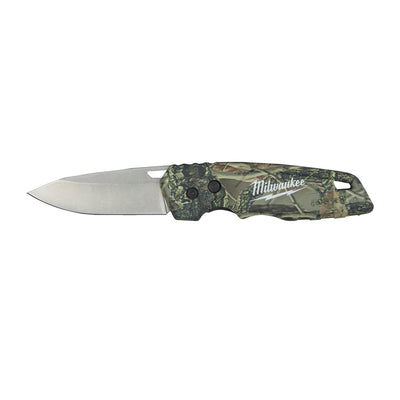
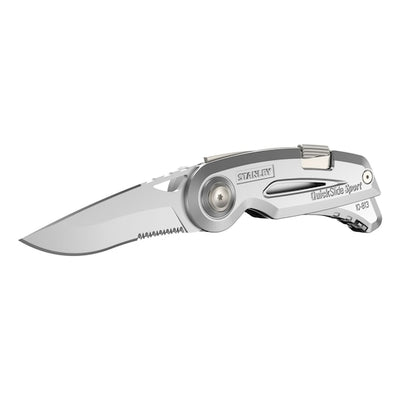
A fixed-blade knife is sturdier and suits heavy cutting, while a folding knife is handy to carry in a pocket and for frequent tasks. A multi-tool combines several functions in one tool, but cutting remains the main function. The collection includes Milwaukee knives in various models, both folding and fixed-blade.
Tin snips: what are they for?
Tin snips are used to cut thin sheet metal, paper, fabric and similar materials, with a robust blade and a comfortable grip. The collection includes tin snips from brands such as Fervi, Vigor and DeWalt. For thicker sheet metal, choose stronger shears, because scissors can bend the material.
Cable cutters for copper and aluminium: how do you choose?
Copper and aluminium cable cutters have a special steel blade and a polished head, to cut these cables without crushing them. The insulated handle offers basic protection in electrical work. The collection includes the Pavan 4004 cable cutter. For cables of large diameter, choose a more robust model, and always check the insulation marking.
Who uses these cutting tools and for which jobs?
These tools are used by tinsmiths, plasterboard fitters, glaziers, electricians and craftsmen who work wood and metal. They are needed to cut panels, plasterboard sheets, glass, cables, profiles and sheet metal, on site and in workshops. The most suitable type of blade or shears changes with each trade.