
 In your quote
In compare
Lightweight Work and Hi-Vis Jackets
141 products · Workwear and Hi-Vis Clothing
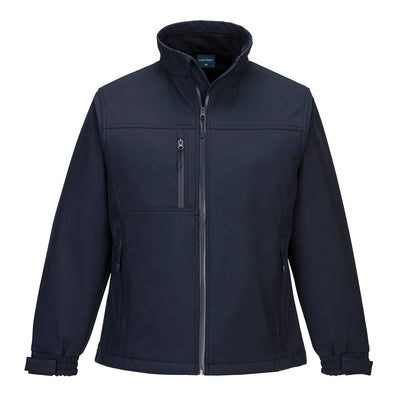
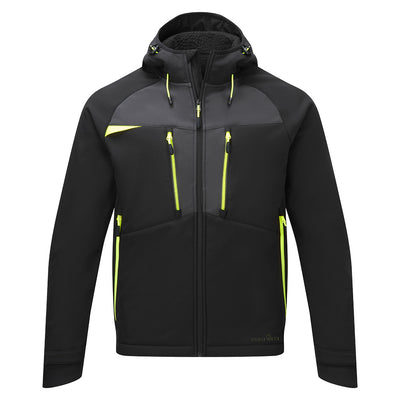
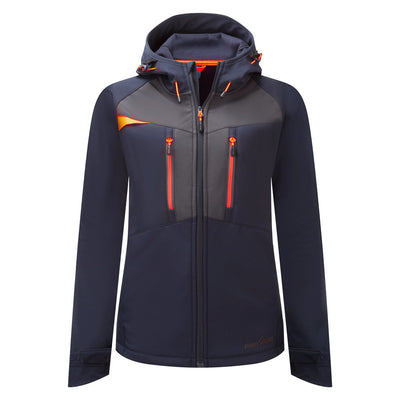
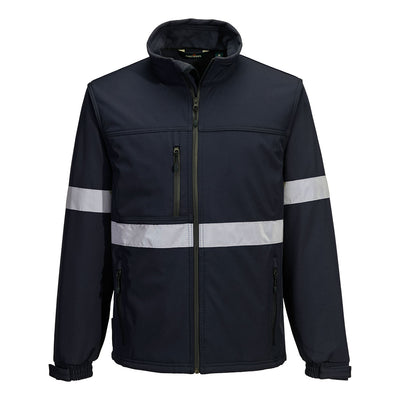
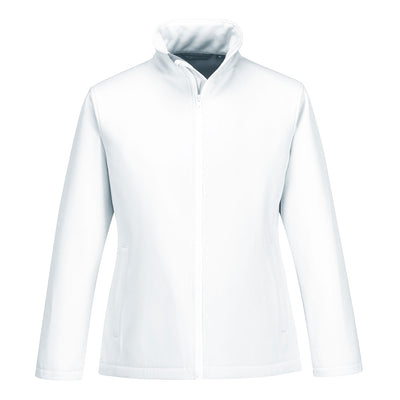
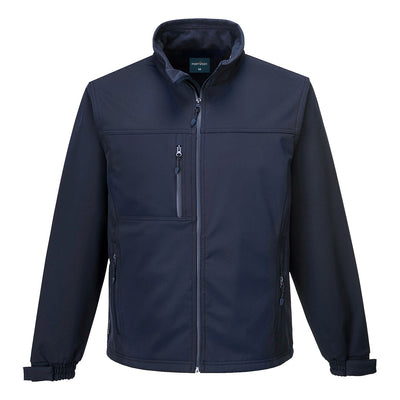
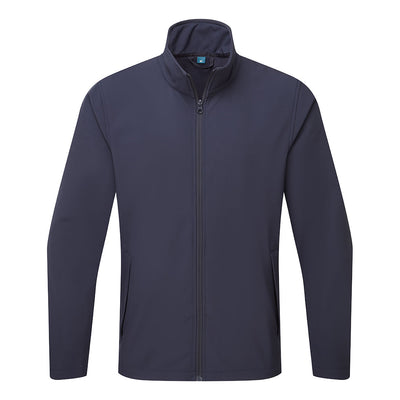
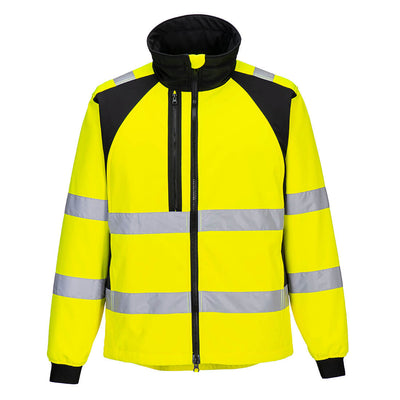
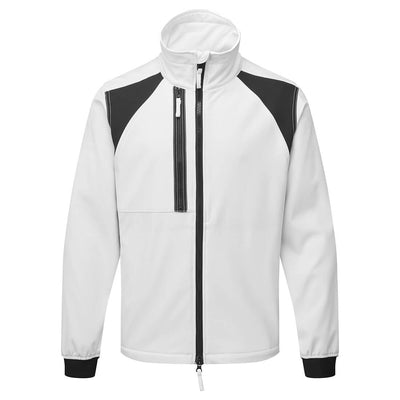
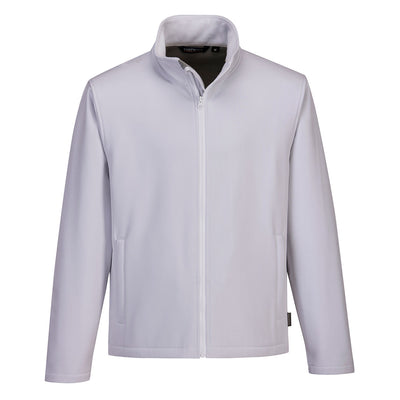
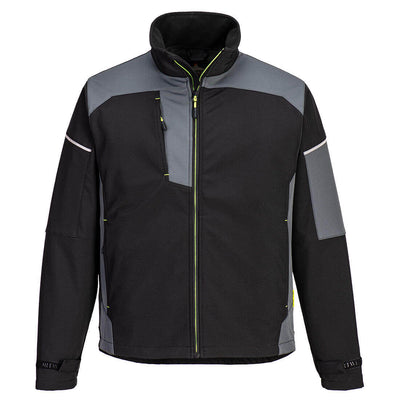
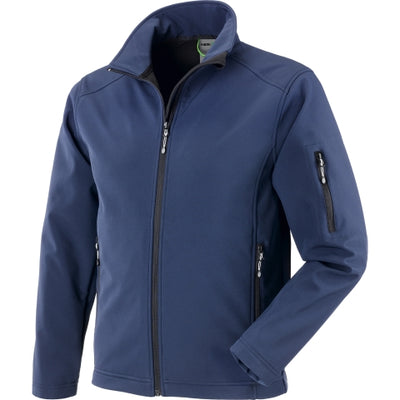
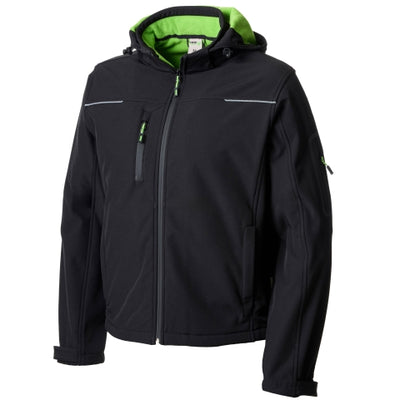
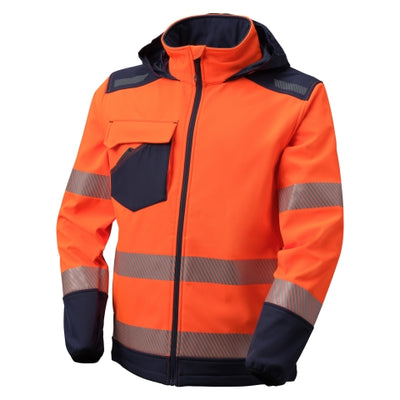
Lightweight work jackets for the mid-seasons and hi-vis jackets for those who need to be seen clearly, for example in roadworks or along vehicle routes. They are designed for comfortable working on site and outdoors.
Types in the collection
- Hi-vis bomber jackets from Neri
- Lightweight and padded work jackets from Diadora Utility and Neri
- Outdoor jackets from Efco, including with cut protection
- Forestry jackets from Husqvarna
- Rain jackets from Neri
How to choose
For high visibility the reference standard is EN ISO 20471, which defines three classes according to the area of retroreflective material: choose the class according to the risk. For the other jackets, consider weight, waterproofing and fit according to the season and the job. AMES Srl works on a quotation basis: write to info@amessrl.com or call 051 728529 for availability, delivery times and terms. In your request, state the intended use, the quantities and, if you know them, the brand and model you are looking for: this lets us suggest the right item first time, check compatibility together and consider any equivalent alternatives.
Active filters:
Products in this collection
In your quote
In compare
 In your quote
In compare
 In your quote
In compare
 In your quote
In compare
 In your quote
In compare
 In your quote
In compare
 In your quote
In compare
 In your quote
In compare
 In your quote
In compare
 In your quote
In compare
 In your quote
In compare
 In your quote
In compare
 In your quote
In compare
 In your quote
In compare
 In your quote
In compare
 In your quote
In compare
 In your quote
In compare
 In your quote
In compare
 In your quote
In compare
 In your quote
In compare
 In your quote
In compare
 In your quote
In compare
 In your quote
In compare
 In your quote
In compare
Frequently asked questions: Lightweight Work and Hi-Vis Jackets
What are lightweight work jackets used for?
They are jackets for the mid-seasons and for outdoor work when it is cool or lightly raining. The lightweight fabric lets the body breathe during exertion, while the softshell or waterproof shell protects from wind and humidity. They are worn over the work shirt, on site, in the workshop or for external maintenance work.
What is the standard for high-visibility jackets?
For high visibility the reference is EN ISO 20471, which defines three classes based on the area of fluorescent and retroreflective material. The class to choose depends on how much traffic there is in the work area: road works and works along roads require higher classes. Always check the garment label, which states the class achieved.
High-visibility jacket or softshell jacket: which to choose?
The high-visibility jacket is needed when being seen is the priority, for example in traffic or on vehicle routes. The softshell jacket is designed more for comfort in everyday work, with protection from wind and light rain. If you work near vehicles and also need protection from the cold, you can wear a high-visibility jacket over a lightweight jacket.
How do I choose a waterproof jacket for outdoor work?
What matters is the type of rain and the activity you do. An oilskin or waterproof shell keeps the water out for a long time, but it also traps sweat and can make those who move a lot sweat. For continuous exertion a breathable jacket is better, while for those who stay still in the rain a fully waterproof solution is more suitable.
Which jackets are used for forestry work and chainsaw use?
In forestry and gardening work with cutting tools, jackets with cut protection are used, intended for those who work with a chainsaw or brushcutter. The reinforced fabric reduces the risk of injury in case of accidental contact with the blade. The jacket must in any case be combined with cut-resistant trousers and PPE (personal protective equipment) for eyes and ears.
Are the Xplorer Garden and forestry jackets the same?
They are not the same: Xplorer Garden jackets are designed for gardening and green-area care, while forestry jackets have a more specific function for work in the woods. The advice is to read the technical sheet of each model and check the type of protection before buying. Also compare the fit of the men's and women's models.
How do I wear a work softshell jacket safely?
Wear the jacket over a breathable layer, without loose garments that could catch in machinery or branches. Close the zip and adjust the cuffs and hood, if present, so that they do not come loose during work. If the jacket has reflective bands, keep them clean, because dirt reduces visibility.
How do I clean a high-visibility jacket without damaging it?
Follow the washing instructions on the label, because temperature and detergent can reduce the effectiveness of the fluorescent and retroreflective parts. In general it is better not to use bleach or aggressive fabric softeners. A dirty jacket, or one with the bands covered in mud, loses its signalling function, so it must be cleaned regularly.