
 In your quote
In compare
Carpenters' Hammers, Sledgehammers and Hand Pry Bars
128 products · Hand Tools for Construction
This collection brings together hand percussion tools for carpentry, building and workshop use: claw hammers, blacksmith and industrial hammers, bricklayers' hammers, sledgehammers, dead-blow mallets and pry bars.
Types available
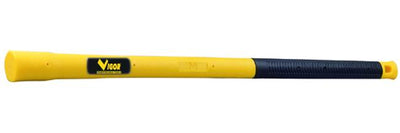
- Claw hammers, including magnetic ones, with wood, fibreglass or resin handles
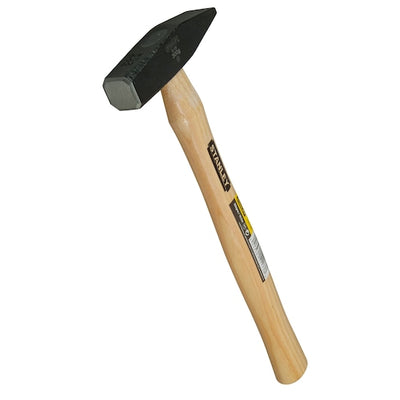
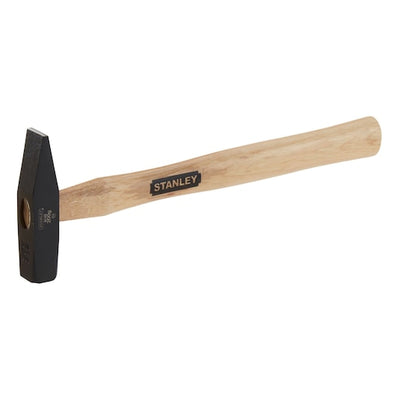
- German-pattern and blacksmith hammers with a pein head, including to DIN standard
- Bricklayers' hammers and long-handled sledgehammers, including stone-splitting types
- Dead-blow mallets, for striking without marking and without rebound
- Carpenters' pry bars, with a forked head for pulling nails
Brands included are Fervi, Pavan, DeWalt, Mass, Stanley, Rubi, Probst and Vigor.
How to choose
Choose the type according to the job: a claw hammer for carpentry, a pein head for blacksmith and assembly work, a sledgehammer for demolition. Check the weight of the head and the handle material: wood for tradition and easy replacement, fibreglass or resin for strength and shock absorption.
Prices and availability are set on a quotation basis: write or call us and the AMES team will propose the supply best suited to your work.
Active filters:
Products in this collection
In your quote
In compare
 In your quote
In compare
 In your quote
In compare
 In your quote
In compare
 In your quote
In compare
 In your quote
In compare
 In your quote
In compare
 In your quote
In compare
 In your quote
In compare
 In your quote
In compare
 In your quote
In compare
 In your quote
In compare
 In your quote
In compare
 In your quote
In compare
 In your quote
In compare
 In your quote
In compare
 In your quote
In compare
 In your quote
In compare
 In your quote
In compare
 In your quote
In compare
 In your quote
In compare
 In your quote
In compare
 In your quote
In compare
 In your quote
In compare
Frequently asked questions: Carpenters' Hammers, Sledgehammers and Hand Pry Bars
What is the difference between a carpenter's hammer and a blacksmith's hammer?
The carpenter's hammer has a claw for pulling nails and a flat face for striking. The blacksmith's hammer has a peen head, useful for shaping and beating sheet metal and metals cold. The type of head should be chosen according to the job: assembly in wood on one side, metalwork on the other.
How do I choose the handle: wood, fibreglass or resin?
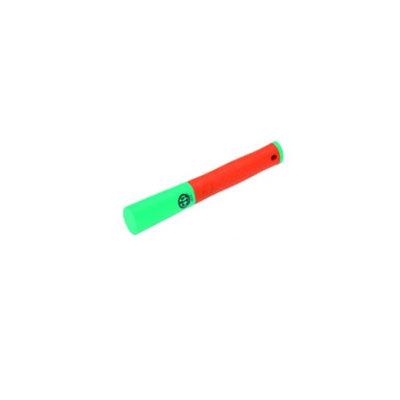
A wooden handle, such as the Pavan 26 cm 2600/L wooden hammer handle, generally absorbs vibration better, but can warp with humidity. A resin handle resists moisture and impact and needs less maintenance. Also choose the length according to the force of the blow you need and the working distance.
What is a long-handled sledgehammer used for?
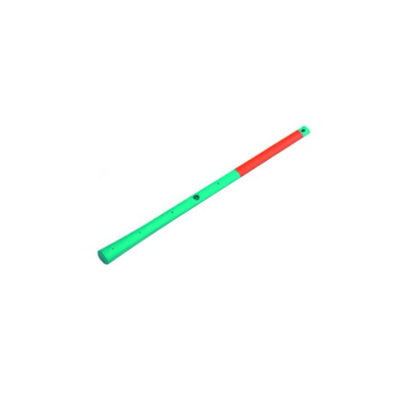
A long-handled sledgehammer, such as the Pavan 91 cm 2500/L ash-handled sledgehammer, delivers more force to the blow thanks to the lever. It is used to split stone, drive pegs and hammer stakes on site. Always hold it with two hands and check that the head is firmly fixed to the handle before each blow.
What is a non-rebound mallet and when is it used?
A non-rebound mallet has a head that absorbs the blow without bouncing, and reduces marks on the surface. It is used for furniture assembly, joining machined parts, painted sheet metal and delicate finishes. Examples in the catalogue are the Fervi 0840/40 non-rebound mallet and the Milwaukee non-rebound mallet.
When is a ball-peen hammer used?
The ball peen is used for riveting, rounding and working metal cold, as in blacksmith's hammers and the Milwaukee ball-peen hammer. It is not suitable for driving nails accurately or for woodwork carpentry. Choose the hammer according to the planned work and check that the head is securely attached to the handle.
How do I check the wooden handle of a hammer or sledgehammer?
Check the handle before every use: cracks, knots or loose areas are dangerous, because the head can come off during a blow. Replace a damaged handle with one of the same type and length. Keep it away from moisture and heat sources, and do not paint it, because that hides cracks.
What risks come with using hammers and pry bars on site?
The main risks are blows to the hands, splinters from the head or handle and tools falling from above. Wear gloves, eye protection and safety shoes. Use the pry bar with a stable fulcrum and check your grip before applying force. D.Lgs. 81/2008 (the Italian workplace safety law) requires the assessment of risks also for hand tools.