
 In your quote
In compare
Hand Saws for Construction and Gardening
182 products · Hand Tools for Construction
Hand saws are cutting tools without a motor, suited to precision work, small jobs and places where a power tool cannot be used. In this collection you will find saws for wood, metal, masonry and gardening.
What you will find in the collection
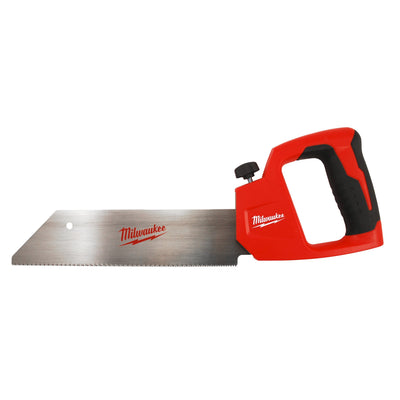
- Hand saws for wood: such as the Stanley Tradecut.
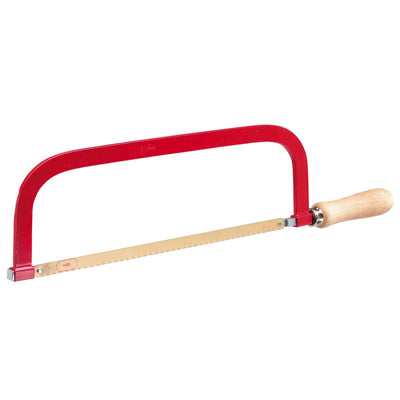
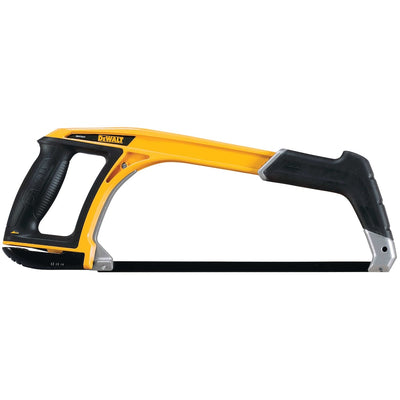
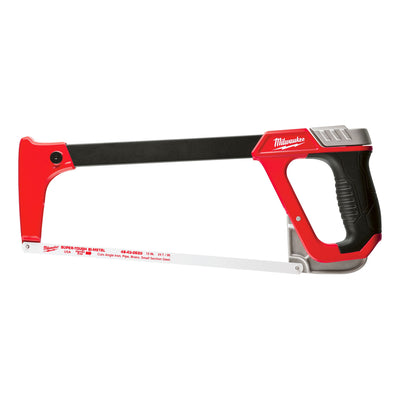
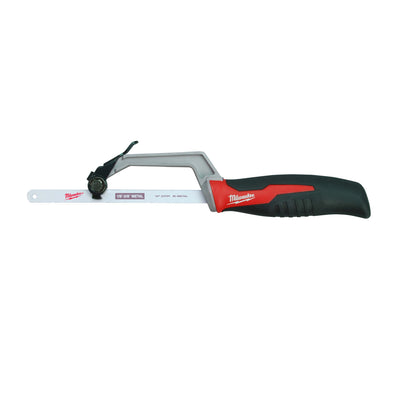
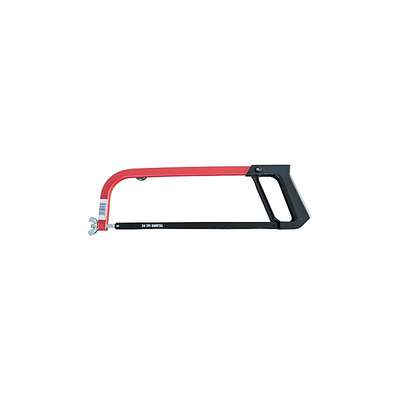
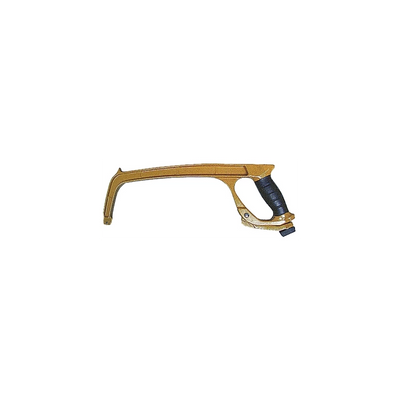
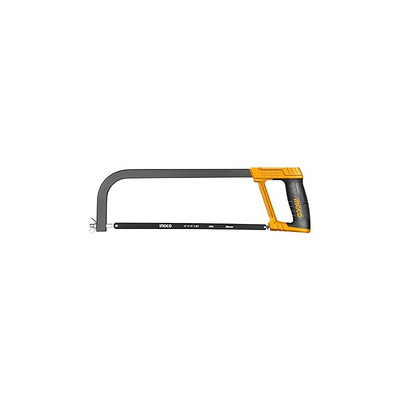
- Hacksaw frames and blades for metal: hacksaw frames with bi-metal blade, also with aluminium frame.
- Folding and multi-purpose saws: compact and easy to carry.
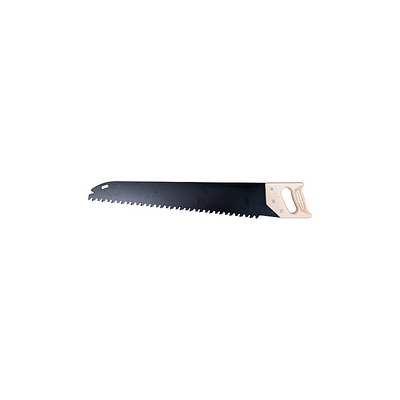
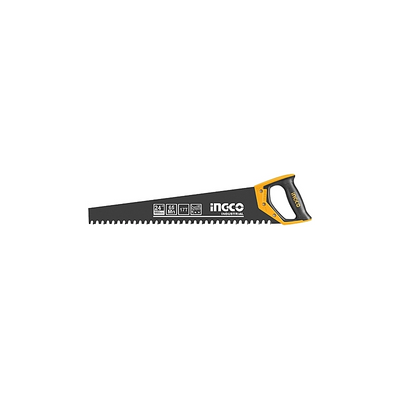
- Saws for aerated concrete: with carbide teeth, such as the Pavan ones.
- Pruning and garden saws: bow saws and fixed-handle saws.
How to choose
Choose the type of saw according to the material and the tooth pattern according to the cut: fine teeth for precise, clean cuts, coarse teeth for fast cuts. For metal you need the right blade. The brands available include Stanley, DeWalt, Fervi, Pavan, Vigor and Husqvarna.
Items are supplied by quotation: tell us the product, quantity and intended use and we will reply with the most suitable proposal, stating availability, delivery times and terms of supply.
Active filters:
Products in this collection
In your quote
In compare
 In your quote
In compare
 In your quote
In compare
 In your quote
In compare
 In your quote
In compare
 In your quote
In compare
 In your quote
In compare
 In your quote
In compare
 In your quote
In compare
 In your quote
In compare
 In your quote
In compare
 In your quote
In compare
 In your quote
In compare
 In your quote
In compare
 In your quote
In compare
 In your quote
In compare
 In your quote
In compare
 In your quote
In compare
 In your quote
In compare
 In your quote
In compare
 In your quote
In compare
 In your quote
In compare
 In your quote
In compare
 In your quote
In compare
Frequently asked questions: Hand Saws for Construction and Gardening
What is a hand saw used for, compared with a power tool?
A hand saw cuts without a motor, so it suits precision work, small jobs, pieces already fitted in place, and places with no mains power or where a power tool cannot be taken. On site and in the garden it is often the most practical choice for controlled cuts, including on materials that a disc would damage.
Which type of saw should I choose for wood, metal and masonry?
The choice depends on the material. For wood, use saws with large, wide teeth, such as the handsaw. For metal, use a hacksaw with a bimetal blade and a finer tooth pitch. For aerated concrete, a saw with tungsten carbide teeth is suitable, such as the Drees 700 mm handsaw with tungsten carbide teeth. For fine cuts in iron there is the junior hacksaw.
What is the difference between a handsaw, a junior hacksaw and a Japanese saw?
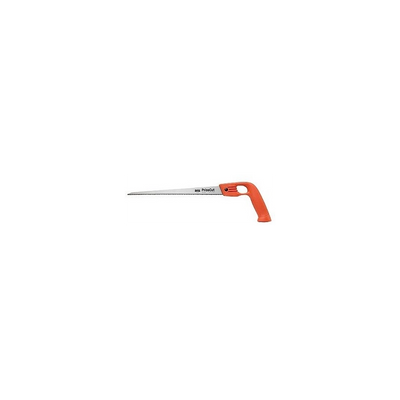
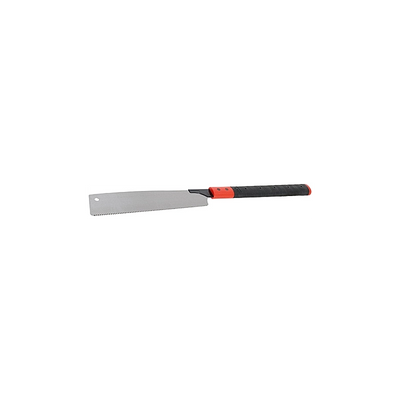
The handsaw has a wide blade and makes long cuts, designed for wood and construction. The junior hacksaw has a narrow blade stretched on a frame, suited to curves and fine cuts. The Japanese saw, such as the Pull 240/F, cuts on the pull stroke: the blade works by pulling towards you, and the cut is cleaner and more precise.
How long should the blade of a bow saw or frame saw be?
The bow saws with oval tubular frame in the catalogue have blades from 530 to 900 mm. A longer blade gives more stroke and allows cuts on wider pieces, while a shorter one is easier to handle in tight spaces. For the 700 mm handsaw the same criterion applies. In every case, tension the blade before you start cutting.
How do I use a hand saw safely?
Clamp the workpiece in a vice or on a bench before cutting, so it cannot move and your hands stay clear of the blade. Start with short strokes guided by your thumb, then lengthen the stroke. Do not force the blade: let the teeth do the work. Wear work gloves and safety glasses, and keep your fingers out of the path of the blade.
How do I maintain a hand saw so that it lasts?
Clean the blade after use to remove resin and dust, dry it thoroughly and store it somewhere dry. A blade with blunt or bent teeth cuts poorly and leads to crooked cuts. Replace the blade when the cut becomes uneven. For steel blades, a light coat of oil protects against rust.
What jobs are pruning and garden saws suited to?
Bow saws for pruning and gardening are used to cut branches and green wood without a motor. They are used by gardeners, tree pruners and grounds maintenance workers, and also on site for small jobs. For fresh wood, use a blade with large teeth, and cut with a long, steady stroke without pushing.