
 In your quote
In compare
Light-Duty Wall Plugs and Anchors
332 products · Heavy-Duty Anchors
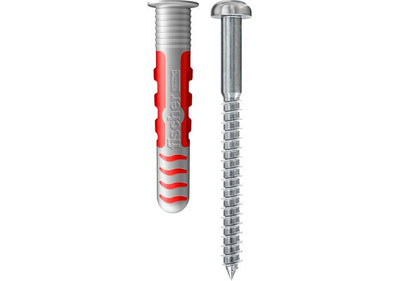
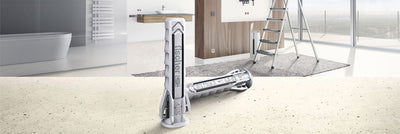
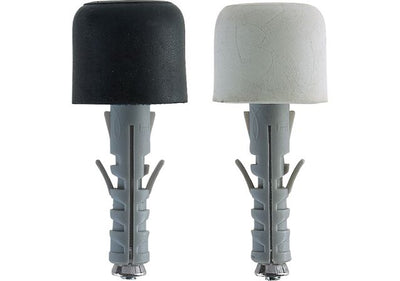
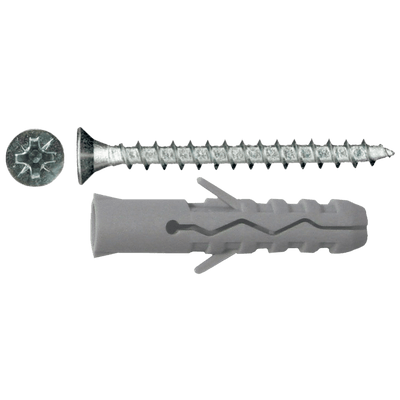
Light-duty wall plugs are used to anchor light objects to walls: shelves, pictures, boxes, brackets and small appliances. They are generally made of nylon or polyethylene: inserted into the hole, they expand when the screw goes in and lock the fixing in the substrate.
Types in the collection
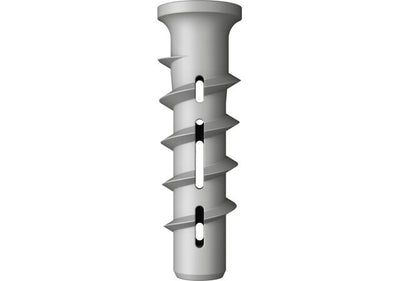
- Universal nylon plugs, suitable for several types of substrate
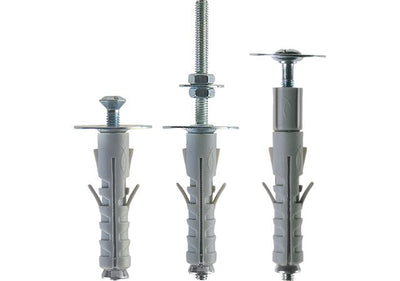
- Plugs with screw, including galvanised, already matched
- Hammer-in plugs, fixed with a blow of the hammer
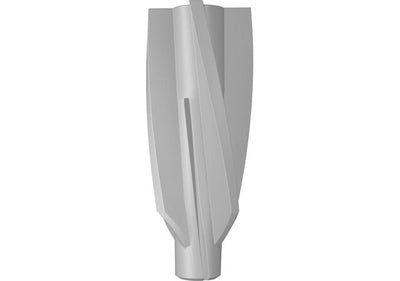
- Plugs for hollow bricks and lightweight blocks
- Extended plugs, for passing through plaster or cladding
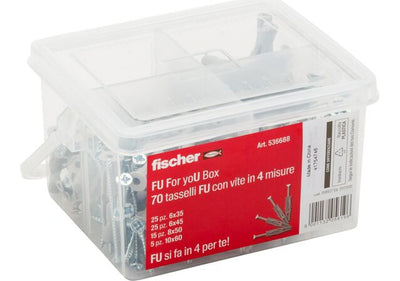
- Packs in blister, tub or tray for site and maintenance use
How to choose
First of all, the substrate matters: solid masonry, hollow brick and concrete call for different plugs. The length must exceed the thickness of the plaster or cladding and reach into the wall, the hole diameter must match that of the plug and the screw must be compatible. For heavy loads or uncertain substrates it is better to move to heavy-duty fixings.
In the catalogue you will find brands such as Fischer, Unifix, DeWalt and Bossong. For quantities and sizes, ask AMES Srl for a quotation.
Active filters:
Products in this collection
In your quote
In compare
 In your quote
In compare
 In your quote
In compare
 In your quote
In compare
 In your quote
In compare
 In your quote
In compare
 In your quote
In compare
 In your quote
In compare
 In your quote
In compare
 In your quote
In compare
 In your quote
In compare
 In your quote
In compare
 In your quote
In compare
 In your quote
In compare
 In your quote
In compare
 In your quote
In compare
 In your quote
In compare
 In your quote
In compare
 In your quote
In compare
 In your quote
In compare
 In your quote
In compare
 In your quote
In compare
 In your quote
In compare
 In your quote
In compare
Frequently asked questions: Light-Duty Wall Plugs and Anchors
Which wall plug do I need to hang a light shelf?
For shelves, pictures, boxes and small appliances, use nylon or polyethylene plugs that expand when the screw enters. Before choosing, check the load, the screw length and the wall type, because a plug suited to solid masonry may not hold in a perforated wall. The catalogue has universal nylon plugs and models for different bases.
How do I tell if a wall is solid, perforated or hollow?
Solid masonry, in solid brick or concrete, is recognised by drilling: the bit makes compact dust and does not drop into a void. Perforated or lightweight brick feels as if it gives way and produces finer dust, while a hollow wall sounds empty and the bit can enter a cavity. The catalogue has plugs for perforated brick and for hollow walls, which are different from each other.
Is a plug with the screw already included a good option?
A plug with a matching screw, such as the TSP or the duopower versions with screw, saves time and reduces matching errors. The screw must suit the plug diameter and be longer than the thickness of the piece to fix, otherwise it will not engage deeply. If the piece is removed often, a separate screw gives more freedom of choice.
How do I fit a plug correctly?
Drill with the bit of the diameter marked on the plug, to the right depth, then blow the dust out of the hole. Insert the plug flush with the wall, without forcing it, and tighten the screw until you feel it grip: overtightening can split the plug or the base. If the hole is too wide, the plug spins and does not hold, so drill the hole again.
Can they be used for sanitaryware and cisterns?
The catalogue has dedicated fixings for sanitaryware in nylon, for cisterns with plugs and hooks, and for WCs and bidets in stainless steel. They are designed for the fixing point of that item, so they are not generic plugs. Before fitting, follow the sanitaryware manufacturer's instructions on holes, centres and screws, because a wall-hung unit carries the weight of its user.
Who uses light wall plugs?
They are used by plumbers, electricians, sanitaryware installers, furniture fitters and those who install false ceilings or partition walls. They are suitable for fixing shelves, towel rails, boxes and light brackets to perforated brick, hollow walls or plaster. For this work, the right choice depends more on the base than on the product name.
When is a heavier plug needed?
When the fixing must carry high loads, be suspended, or be subject to tension and shear, such as structures, load-bearing shelves, plant or machinery. Light plugs are not enough in those cases, and anchors for heavy fixings, sized for the base, must be chosen. If you are unsure about the load, check before fitting.