
 In your quote
In compare
Equipment for Auto Electricians
1087 products
Auto electricians check, repair and replace the electrical and mechanical components of vehicles. This collection gathers spanners, sockets and battery chargers for workshop activity, from the simplest repairs to work on the vehicle's electrical system.
What you will find in this collection
- Socket wrenches, sockets for drivers, ratchet and socket sets
- Ratchets and hand tightening tools
- Battery chargers
- Vehicle repair equipment
- Manual and hydraulic lifting jacks
- Spark plug thread repair insert kits
How to choose
- Choose the socket set according to the profiles and sizes you use most often.
- If you work with a driver, choose sockets suited to use with a driver and not only for manual use.
- For the battery charger, consider the type of battery and whether you also need jump-start capability.
- To lift the vehicle safely, choose the jack according to its capacity and the type of work.
For a quote or advice on making the right choice, write to or call AMES technicians: they will help you find the items suited to your work.
Active filters:
Products in this collection
In your quote
In compare
 In your quote
In compare
 In your quote
In compare
 In your quote
In compare
 In your quote
In compare
 In your quote
In compare
 In your quote
In compare
 In your quote
In compare
 In your quote
In compare
 In your quote
In compare
 In your quote
In compare
 In your quote
In compare
 In your quote
In compare
 In your quote
In compare
 In your quote
In compare
 In your quote
In compare
 In your quote
In compare
 In your quote
In compare
 In your quote
In compare
 In your quote
In compare
 In your quote
In compare
 In your quote
In compare
 In your quote
In compare
 In your quote
In compare
Frequently asked questions: Equipment for Auto Electricians
Which socket set should I choose for a car?
The set with 1/4 drive and 23 pieces covers sizes from 4 to 14 mm, useful for the finer jobs on the car and in the engine bay. The reversible ratchet with 72 teeth lets you work even in tight spaces, because less swing angle is needed for each stroke. Choose the set according to the sizes of the most common bolts on the vehicles you will repair.
Which extension bar should I use for sockets in hard-to-reach places?
Socket extension bars are chosen according to the drive, male or female, which must match that of the ratchet, from 1/4 to 3/4. The length is for reaching recessed bolts or bolts hidden behind other components. For very tight fastenings and bolts use a larger drive, which takes more torque without bending.
How do I remove a stripped screw with a jaw extractor?
The two-jaw reversible extractor is applied to the damaged screw or nut and grips the part so that it can be unscrewed. Choose the jaw size according to the diameter of the part, and keep the tool perfectly in line to avoid damaging the thread any further. Use a lubricant and tighten gradually, without jerking, to bring the component out gently.
Which charger should I choose for a car battery or for charging from the alternator?
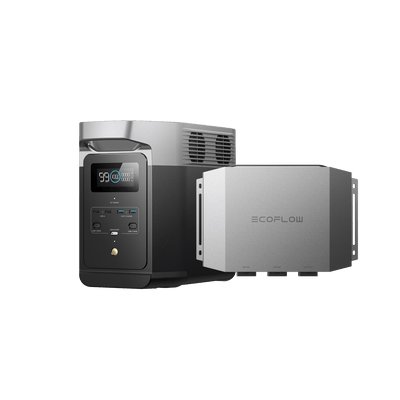
The smart battery maintainer, for 12 or 24 V batteries, keeps the battery charged when the vehicle is parked for a long time. The alternator charger lets you recharge a power station while driving, and is chosen according to the power stated in the title. Check that voltage and power are compatible with the battery and use cables with a suitable fuse.
How do I use a portable emergency jump starter for a car?
The portable jump starter is connected to the flat battery observing polarity, with the red clamp on the positive and the black one on the earth. Before connecting, the vehicle receiving the help must be switched off and the clamps must not touch each other. Start the engine, wait a few minutes and then disconnect in reverse order, without touching the clamps under load.
Which solar panel should I choose to keep the battery of a parked vehicle charged?
The rigid 175 W solar panel, with the TOPCon cells stated in the title, is chosen according to the power and the surface available on the roof or on the vehicle. You also need a charge controller compatible with the battery, to avoid overcharging. The panel must be oriented towards the sun and fixed securely, even in windy conditions.
How do I dispose of acids, antifreeze and waste oils in the workshop?
Each liquid must be kept in its dedicated container, such as the one for acids, for antifreeze or for waste mineral oils, and never mixed with the others. Containers must be closed, labelled and kept in a ventilated, protected place. Disposal must be entrusted to authorised collection centres, following the regulations in force on hazardous waste.