
 In your quote
In compare
Equipment for Plasterers
1071 products
This collection is dedicated to those who skim, plaster and render walls and ceilings, including plasterboard. It gathers hand tools, abrasives and machines from brands such as Pavan, Co.Me Spa, Fervi, Mass, Imer Group, Stanley and Maltech. It is the practical choice for building firms, decorators and tradespeople working on plasters, skim coats and interior finishes.
What the collection includes
- Trowels, spatulas and floats for spreading and smoothing
- Scrapers for preparing substrates
- Abrasive sheets and rolls for manual use
- Drywall tools
- Rendering machines with built-in mixer
- Professional mixing machines and planetary mixers
- Pozzolanic hydraulic limes
- Modelling tools and fine-art tools
How to choose
- Choose the width and shape of spatulas and floats according to the surface and the finish you want.
- For hand sanding, select the abrasive grit according to the stage of the work.
- For large surfaces the rendering machine cuts the time; for small touch-ups, hand tools are enough.
- A suitable mixer ensures even mixes with fewer lumps.
For an offer suited to your work, request a quote from AMES technicians.
Active filters:
Products in this collection
In your quote
In compare
 In your quote
In compare
 In your quote
In compare
 In your quote
In compare
 In your quote
In compare
 In your quote
In compare
 In your quote
In compare
 In your quote
In compare
 In your quote
In compare
 In your quote
In compare
 In your quote
In compare
 In your quote
In compare
 In your quote
In compare
 In your quote
In compare
 In your quote
In compare
 In your quote
In compare
 In your quote
In compare
 In your quote
In compare
 In your quote
In compare
Colorificio Adriatico
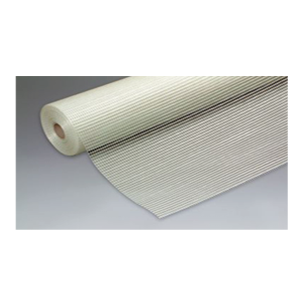
Glass-fibre mesh for external insulation, 160 g/m², Etics B.CA Colorificio Adriatico
 In your quote
In compare
 In your quote
In compare
 In your quote
In compare
 In your quote
In compare
Colorificio Adriatico
Skim adhesive for external insulation systems Plastotherm CA-10 Colorificio Adriatico
 In your quote
In compare
Frequently asked questions: Equipment for Plasterers
What tools do I need to fill and skim walls and ceilings?
For filling you need plastic or steel spatulas in different widths, floats and trowels, as well as tools for preparing the substrate such as scrapers and hatchets. For sanding, pads, abrasives and steel wool are used. Filler is applied as ready-mixed paste, powder or cartridge, depending on the job and the thickness to be covered. Choose the spatula according to the surface: wider for large areas, narrower for touch-ups.
Which spatula or float should I choose to spread filler on large walls?
For large walls a wide spatula is best, while narrower blades are needed for touch-ups and corners. The polystyrene float is designed for a uniform finish and for smoothing the filler, with a central or offset handle. Plastic spatulas are light and flexible, steel ones more rigid. Choose according to the surface and the final effect you need.
Which sandpaper or grit should I use to sand filler before painting?
To sand filler you start with a medium grit and move to a finer one for the finish. Sheet paper is used by hand on small surfaces, while discs or rolls are needed for large surfaces. The catalogue has red, yellow and Velcro-backed papers, to be chosen according to the stage of work. Do not sand too deep, as you risk removing the filler you have just applied.
Which filler should I choose: light cartridge, powder or ready-mixed paste?
Light cartridge filler is ready to use and handy for small repairs and touch-ups. Powder filler has to be mixed with water following the manufacturer's instructions and is suited to filling holes or applying thicker coats. Ready-mixed paste is ready to use and works well for multi-coat skimming. Choose according to the thickness to be covered and the size of the surface.
How do I use steel wool and abrasive sponges without damaging the surface?
Steel wool is chosen by grade: coarse removes residues, fine polishes and prepares the surface. Abrasive sponges and pads work well on corners and curved surfaces. Use light pressure and always in the same direction. Wear gloves, because steel wool can leave small fragments on the skin.
Which mask do I need for filler and gypsum dust when sanding?
Dry sanding of filler and gypsum produces fine dust that must be kept out of the lungs with a suitable mask. Dust masks are classified FFP2 or FFP3 under EN 149 and should be chosen according to the amount of dust. Work where there is air exchange, use a vacuum cleaner or a sander with dust extraction when possible, and clean up at the end without dry sweeping.
Who uses plasterer equipment, and for what work?
It is used by plasterers, decorators, building firms and maintenance staff who plaster, skim and finish walls and ceilings, including in plasterboard. It is needed for repairs, skim coats, levelling and interior finishing. For plastering machines and mixers, consider power and capacity according to the square metres to be plastered in a day.