
 In your quote
In compare
Chains and Accessories
126 products · Lifting Accessories — Slings and Ropes
This collection brings together chains and accessories for connecting, anchoring and lifting: from galvanised chain to shackles, hooks, karabiners and turnbuckles.
Types in the collection
- Chains: galvanised chains, such as the Genoese type, for general use.
- Shackles and karabiners: galvanised shackles and stainless steel karabiners for connecting chains, ropes and loads.
- Hooks: S-hooks and shortening hooks, eye or clevis type.
- Turnbuckles and thimbles: eye-and-eye turnbuckles, including stainless steel, and galvanised sheet-steel thimbles to protect rope eyes.
- Lifting accessories: master links and components from the Exoset G100 SpanSet line.
How to choose
Distinguish the use: for lifting you need components designed for the purpose, with a working load stated by the manufacturer; for light fixing and anchoring, general-purpose galvanised or stainless steel accessories are enough. Choose the material to suit the environment (outdoors or in damp conditions stainless steel resists corrosion better) and check that diameters and dimensions are compatible with the chain used.
AMES works by quotation: tell us what you need to connect or lift and we will suggest suitable chains and accessories, with availability and delivery times.
Active filters:
Products in this collection
In your quote
In compare
 In your quote
In compare
 In your quote
In compare
 In your quote
In compare
 In your quote
In compare
 In your quote
In compare
 In your quote
In compare
 In your quote
In compare
 In your quote
In compare
 In your quote
In compare
 In your quote
In compare
 In your quote
In compare
 In your quote
In compare
 In your quote
In compare
 In your quote
In compare
 In your quote
In compare
 In your quote
In compare
 In your quote
In compare
 In your quote
In compare
 In your quote
In compare
 In your quote
In compare
 In your quote
In compare
 In your quote
In compare
 In your quote
In compare
Frequently asked questions: Chains and Accessories
Which chain is used to secure a load and which to lift it?
Galvanised chain, such as the Genoese type, is for general uses, such as securing light materials. For lifting, use chains and components with the working load limit shown on the marking. A general-purpose chain must not be used to lift loads, even if it looks sturdy. Before securing a load, check the weight to be transported and ask the supplier for the component data sheet.
What is the difference between a shackle and a snap hook?
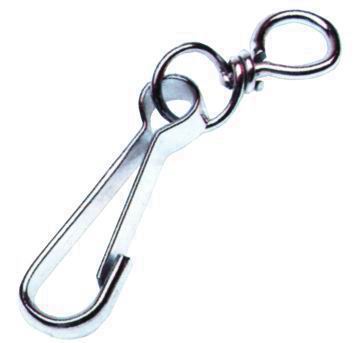
The shackle is a U-shaped ring with a screw pin, while the snap hook has a snap or screw-lock closure. The stainless steel shackle connects chains, ropes and loads securely. The snap hook with screw-lock sleeve opens and closes more quickly. For lifting, always check that the component shows its rated capacity. Keyring snap hooks are designed for light use.
How do I choose turnbuckles and thimbles for ropes?
Eye-and-eye turnbuckles adjust the tension of a rope or chain. Stainless steel ones resist damp better than galvanised ones. The thimble is a sheet metal liner that protects the eye of the rope from bends that are too tight. Choose the thimble according to the rope diameter. Do not tension beyond the stated limit, because the turnbuckle may fail.
Which hooks are used with chains and ropes?
S-hooks and shortening hooks are used to connect the chain to the support or anchor point. U-hooks are used to fix the chain to the structure. Every hook should have a safety latch, which prevents accidental release, especially for lifting. Latches should be checked regularly. Do not modify a hook and do not weld it.
What does working load, shown as WLL, mean on chains and accessories?
The working load, shown as WLL, is the maximum weight the component can lift in normal use. The value is shown on the marking and must not be exceeded. The WLL depends on the component, so a chain and a shackle of the same size can have different capacities. The person lifting must know the weight of the load and how it is slung.
How do I check chains and snap hooks before use?
Before each use, check for deformation, cracks, wear or rust on links, hooks and snap hooks. Check that the snap closures return to position and that the threads of the turnbuckles are intact. A deformed or stretched component must be taken out of service. Store the chain dry and away from corrosive substances.
Are connecting links and clamps used to join chains and ropes?
Connecting links join two lengths of chain or a ring to another component. The rope clamp tightens cables together and must be fitted with the orientation shown by the manufacturer. For a secure joint, follow the manufacturer's instructions and do not use a link of a different size from the chain. Check that the joint is properly tightened before loading it.
How do I choose a chain tensioner to tighten a chain?
The chain tensioner is used to tension the chain when a taut, adjusted connection is needed. The sizes given in the catalogue, such as 20x420 mm and 24x450 mm, help you choose the model according to the chain to be tensioned. Do not exceed the force indicated by the manufacturer, because the chain may deform. Check that the chain tensioner is intact before use.