
 In your quote
In compare
Files, Rasps, Scrapers, Chisels and Punches
103 products · Hand Tools for Construction
This collection brings together hand tools for removing material, finishing and shaping by hand: files and rasps for metal and wood, scrapers for removing residue from floors, glass and plaster, chisels for wood and masonry, and deburring tools for pipes and machined parts. They are used in workshops, on site and in joinery work.
What you will find
- Files and rasps, single or in sets, for engineering and sharpening;
- scrapers for floors, glass and plaster;
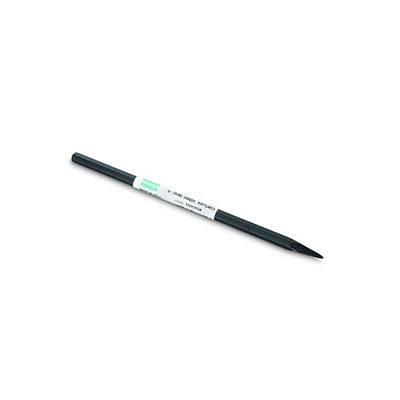
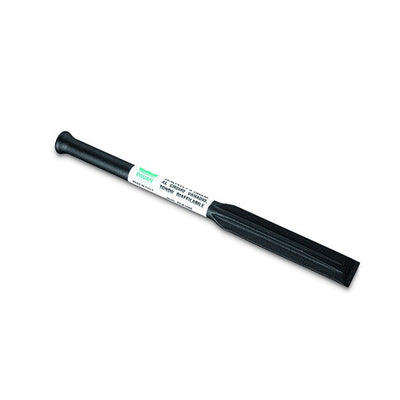
- joiner's, bricklayer's and electrician's chisels;
- deburring tools and burr-removing pens for pipes and cut parts.
The brands available include Fervi, Stanley, Vigor, Makita, Pavan and Unifix.
How to choose
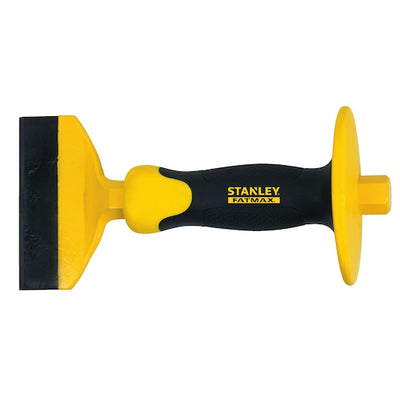
Start from the material to be worked: metal, wood or masonry. For files, the cut matters, coarse to remove a lot of material and fine for finishing, and so does the shape of the section: flat, round or half-round. For chisels, look at the width of the cutting edge and the handle: on bricklayer's models the hand guard protects the hand from hammer blows. For scrapers, choose the blade according to the surface to be cleaned.
For supplies or questions about the right model, request a quote from AMES Srl.
Active filters:
Products in this collection
In your quote
In compare
 In your quote
In compare
 In your quote
In compare
 In your quote
In compare
 In your quote
In compare
 In your quote
In compare
 In your quote
In compare
 In your quote
In compare
 In your quote
In compare
 In your quote
In compare
 In your quote
In compare
 In your quote
In compare
 In your quote
In compare
 In your quote
In compare
 In your quote
In compare
 In your quote
In compare
 In your quote
In compare
 In your quote
In compare
 In your quote
In compare
 In your quote
In compare
 In your quote
In compare
 In your quote
In compare
 In your quote
In compare
 In your quote
In compare
Frequently asked questions: Files, Rasps, Scrapers, Chisels and Punches
Which file should I choose for metal and for wood?
Metal files and rasps have fine or coarse teeth and are used to rough out, finish or sharpen steel workpieces by hand. For wood, rasps with a more open tooth pattern are used, which remove material without clogging. The collection includes single files and rasps or sets, for mechanics and sharpening.
Scraper for floors and glass: what is it for?
A scraper removes residues of glue, paint, cement or plaster from floors, glass and hard surfaces. Use it with a sharp blade at a suitable angle, so the material lifts off without damaging the surface. The collection includes scrapers for floors, glass and plaster. Wear gloves and goggles.
Mason's, carpenter's or electrician's chisel: what is the difference?
A mason's chisel is designed for breaking and finishing masonry and stone. A carpenter's chisel is used for cutting and shaping wood. An electrician's chisel, flat or pointed, is used to cut channels in walls for cables. The collection also includes tile-setter chisels, octagonal and skew, to be chosen according to the job.
Chisel with a carbide insert: when is it worthwhile?
A chisel with a carbide insert lasts longer when working abrasive materials such as masonry, concrete or stone, where ordinary steel wears quickly. Chrome-vanadium steel chisels are instead suitable for manual work on wood and soft metal. The collection includes both versions.
Emery stone: how do you choose the shape?
A knife-shaped emery stone sharpens narrow shapes or angles, while the blue domed stone works on curved or wide surfaces. A dressing stone restores the surface of a worn or clogged grinding wheel. Choose the shape according to the profile of the tool you need to sharpen.
Pipe deburring tools: when should you use them?
A pipe deburring tool removes internal and external burrs after cutting, so that the pipe fits properly into the fitting and the seal is not damaged. It is used on pipes cut by hand or with a pipe cutter, in workshops, on site or in installations. The collection includes deburring tools and deburring pens for pipes and cut parts.
Masonry and electrician's point chisels: how do they differ?
Masonry point chisels are designed for working masonry and stone, while electrician's point chisels are better suited to work on plaster and less hard materials. The shapes vary: there are octagonal, flat and electrician's types. The collection includes each version. Choose according to your trade and the material you work on.