
 In your quote
In compare
Abrasive Sleeves and Drums
77 products
Abrasive sleeves and rolls are cylindrical tools coated with abrasive, mounted on straight grinders and flexible shafts to smooth, deburr and finish metal and other surfaces.
What you will find in this collection
- Abrasive sleeves in different materials, such as cloth with ceramic or zirconia grains.
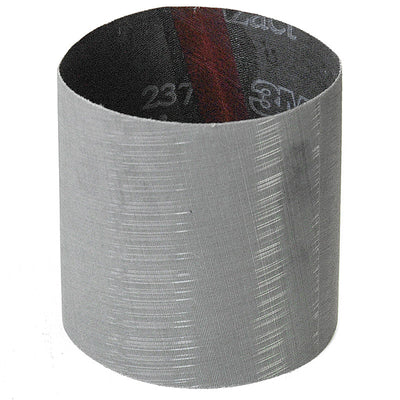
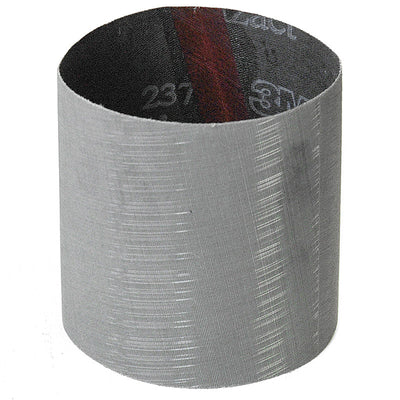
- Trizact sleeves for finishing.
- Wrapped abrasive rolls for working in tight spaces and in holes.
- Sleeve holders for fixing to the machine.
How to choose
Choose by diameter, length and grit, which must be matched to the material and the degree of finish: coarse grits for removing material, fine grits for finishing. The diameter of the sleeve holder must match that of the sleeve.
The products are Fervi-branded. AMES works on a quotation basis: tell us the material to be worked and we will prepare the right grit sequence.
Active filters:
Products in this collection
In your quote
In compare
 In your quote
In compare
 In your quote
In compare
 In your quote
In compare
 In your quote
In compare
 In your quote
In compare
 In your quote
In compare
 In your quote
In compare
 In your quote
In compare
 In your quote
In compare
 In your quote
In compare
 In your quote
In compare
 In your quote
In compare
 In your quote
In compare
 In your quote
In compare
 In your quote
In compare
 In your quote
In compare
 In your quote
In compare
 In your quote
In compare
 In your quote
In compare
 In your quote
In compare
 In your quote
In compare
 In your quote
In compare
 In your quote
In compare
Frequently asked questions: Abrasive Sleeves and Drums
Which abrasive sleeve should I choose for my grinder?
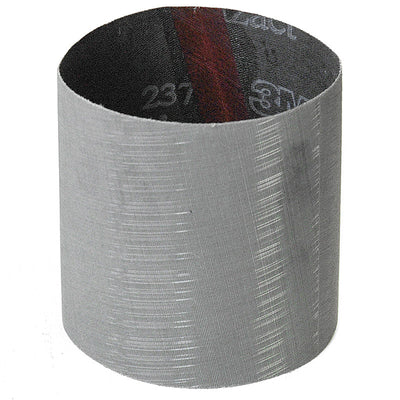
The sleeve is chosen according to the diameter and length required by the workpiece, and to the sleeve holder of the grinder or flexible shaft. The collection includes Fervi ceramic and zirconia sleeves and the Trizact NAT100/A006 sleeve. The bore diameter must match the support exactly.
Which grit should I choose for roughing, smoothing or finishing?
The grit indicates how coarse the abrasive particle is. Low numbers, such as 60 or 80, remove more material; high numbers, such as 120 or 320, give a finer finish. In the product titles you will find grits from GR.40 to GR.320. Start with the coarsest grit needed and then move on to the finer ones.
What is the difference between ceramic, zirconia and silicon carbide grain?
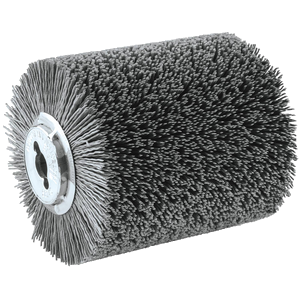
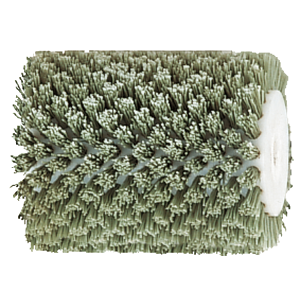
Ceramic and zirconia grains are tough and suited to working metal materials with a certain aggressiveness. Silicon carbide is often used on non-ferrous materials, stone and delicate surfaces. The collection includes Fervi zirconia and ceramic sleeves, and Makita nylon rollers with silicon carbide.
Which nylon roller should I choose for finishing?
Makita nylon rollers with silicon carbide are available in grits from GR.60 to GR.320 and are used for surface finishing. The grit number indicates how aggressive it is. For finishing use the finest grit, such as GR.320, after working with a coarser grit.
How do I use wrapped abrasive rollers for holes and tight spaces?
Wrapped abrasive rollers are cloth cylinders on which the abrasive grain is fixed. They are mounted on a shaft or a mandrel and used to work inside holes and tight spaces. In the product titles you will find sizes such as 6x38 mm, like the roller with 80 grit.
Who uses abrasive sleeves and rollers and for what jobs?
They are used by metalworkers, blacksmiths, machine shops, restorers and craftsmen who work wood or metal. They are used to smooth, deburr and finish surfaces with die grinders or flexible shafts. On non-metallic surfaces the grit must be checked case by case.
How do I use these abrasives safely?
Check that the maximum speed of the grinder does not exceed that stated on the sleeve or roller, and secure the workpiece carefully. Wear safety glasses and a dust mask, because grinding dust is harmful. Do not use a damaged or off-centre abrasive, and replace it as soon as the grit wears down.