
 In your quote
In compare
High-Performance Lubricating Oils
59 products · Industrial Lubrication
Lubricating oils reduce friction and wear in the moving parts of machines, engines and systems. This collection brings together oils and fluids for professional use, for workshops, building sites, grounds maintenance and industry.
What you will find in the collection
- Hydraulic oils, for systems and machines with hydraulic circuits, also for spindles.
- Compressor oils, including those for air intended for the food industry.
- Cutting fluids and coolants, for machining operations.
- Two-stroke engine oils, for chainsaws and brush cutters.
- Oils for tools and pumps, in small sizes for periodic lubrication.
How to choose
Always follow the specification given by the machine manufacturer: type of oil, viscosity grade (for example ISO VG 32 or 46) and working conditions. Do not mix different types of oil and follow the disposal instructions shown on the label.
AMES works on a quotation basis: tell us the machine and the use and we will recommend the right lubricant.
Active filters:
Products in this collection
In your quote
In compare
 In your quote
In compare
 In your quote
In compare
 In your quote
In compare
 In your quote
In compare
 In your quote
In compare
 In your quote
In compare
 In your quote
In compare
 In your quote
In compare
Husqvarna
Fuel, petrol and oil for 4-stroke engines Husqvarna
Code husqvarna-carburante-benzina-e-olio-per-motori-a-4
 In your quote
In compare
 In your quote
In compare
Husqvarna
Fuel, petrol and oil for 2-stroke engines Husqvarna
Code husqvarna-carburante-benzina-e-olio-per-motori-a-2
 In your quote
In compare
 In your quote
In compare
 In your quote
In compare
 In your quote
In compare
 In your quote
In compare
 In your quote
In compare
 In your quote
In compare
 In your quote
In compare
 In your quote
In compare
 In your quote
In compare
 In your quote
In compare
 In your quote
In compare
 In your quote
In compare
Frequently asked questions: High-Performance Lubricating Oils
What are professional lubricating oils used for?
They reduce friction and wear between moving parts of engines, hydraulic systems and tools, and protect surfaces from corrosion. The catalogue includes oils for hydraulic circuits, compressors, engines, tools and cutting fluids. The right product depends on the system or machine you use it in, and on the manufacturer's instructions.
Which hydraulic oil should I choose between HM 32 and HM 46?
HM hydraulic oils are distinguished by viscosity grade, shown in the name as 32 or 46. The grade should be chosen based on the instructions from the system or pump manufacturer, because an oil that is too thick or too thin can reduce performance. The catalogue includes HM 32 and HM 46 oils, as well as a specific oil for spindles. Do not mix different oils without checking compatibility.
What is the right mix for a two-stroke engine?
The mixing ratio stated by the engine manufacturer must be respected, for example 1:50 for the two-stroke oil in the collection with JASO FB classification. Use a specific two-stroke oil and do not replace it with engine oil. Mix the fuel in a clean container, shaking well before filling the tank.
Which oil should I choose for a four-stroke engine, such as a lawnmower?
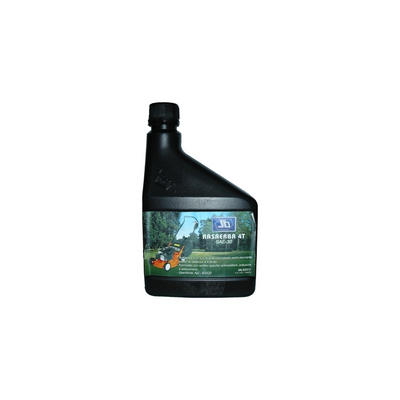
A four-stroke engine uses engine oil separate from the petrol, unlike the two-stroke. The catalogue includes four-stroke lawnmower oil and synthetic and mineral 15W40 engine oil. Choose the viscosity and type stated in the engine manual and check the oil level before each use.
Which oil do I use for metal cutting?
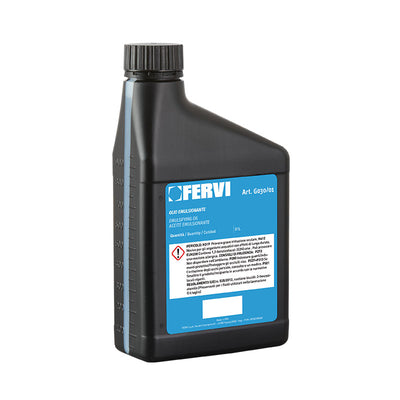
For machining, cutting fluids and coolant lubricants are used, either neat or diluted depending on the type of machining. The catalogue includes a spray cutting oil, a cutting oil and an emulsifiable coolant lubricant. Choose the product based on the material to be worked and the machine, and follow the manufacturer's dilution instructions.
Which oil is needed for compressors, including for air used in food processing?
Compressor oils lubricate pistons and cylinders and must be chosen based on the compressor type and the intended use of the compressed air. For air intended for the food industry there are specific oils, to be checked on the technical data sheet and with the quality manager. Do not use a generic oil in a compressor producing air in contact with food.
Which oil is needed for sharpening and for tool maintenance?
Arkansas sharpening oil lubricates the stone during sharpening, improving cutting and reducing blade overheating. Tool and pump oils, including in small sizes, lubricate less stressed moving parts. Clean the blade or tool before applying oil and keep the container closed, away from heat sources.
How is used oil disposed of?
Used oil is a special waste and must be collected in sealed containers, without dispersing it into the ground or sewers. Disposal follows local rules and waste legislation, so it is best to contact an authorised collection centre. Do not mix used oil with other waste. This applies to all used oils in your work.