
 In your quote
In compare
Cast Iron Block Planes
28 products
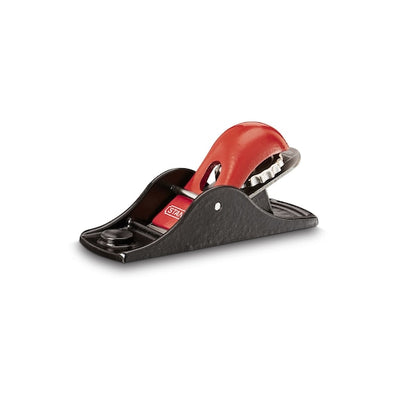
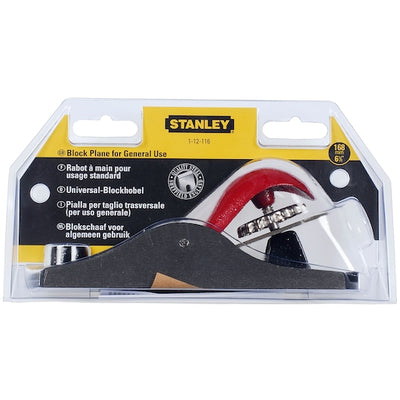
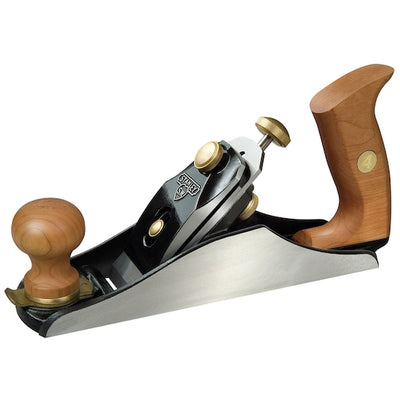
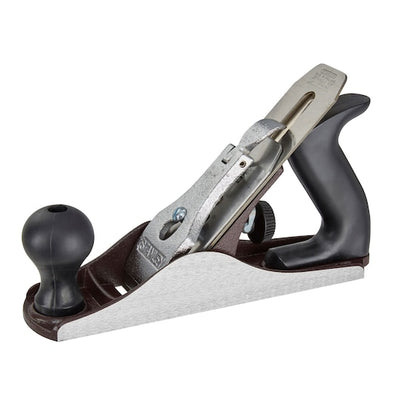
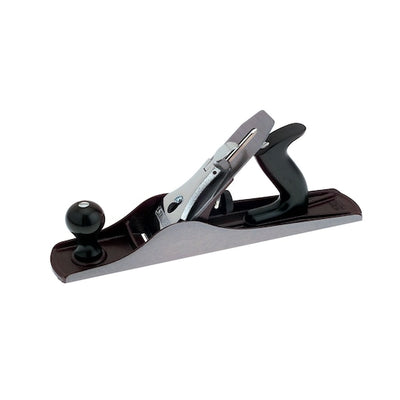
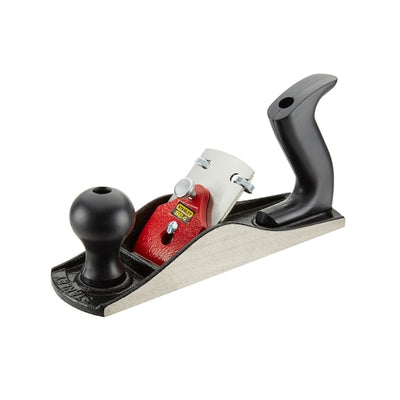
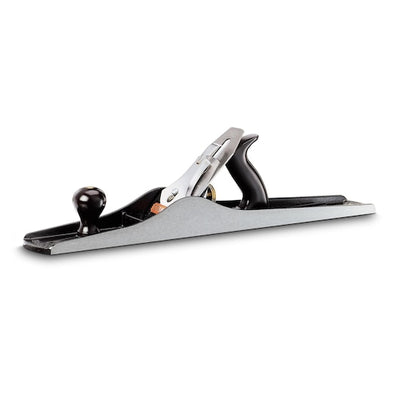
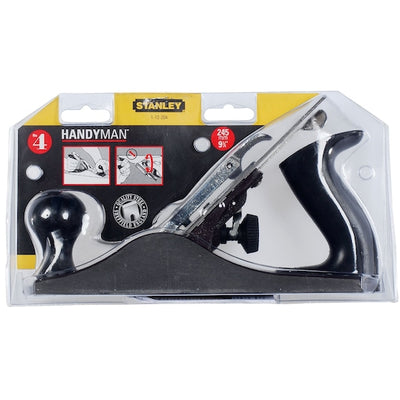
Cast iron block planes are hand planes with a cast iron body, heavy and stable, used for flattening, trimming, chamfering and finishing wood with great precision. The weight of the body helps keep the plane flat and achieve a clean cut. This collection gathers Stanley products and A.M.E.S. items.
Product types included
- One-hand block planes, of the type with adjustable blade, for trimming and chamfering
- Longer cast iron planes, such as the Stanley Bailey and SB3 and SB4 models, for flattening larger surfaces
- Multi-purpose block planes for varied jobs
- Two-hand block planes, for shaping and finishing
How to choose
The length of the sole determines the type of work: short models for finishing and small touch-ups, long models for proper flattening. Check that the blade adjustment is precise and that the blade can be sharpened well, because the quality of the surface depends on the blade. Choose the size according to the pieces you work on most often.
AMES sells on a quote basis: tell us the models and quantities and we will reply with availability and lead times.
Active filters:
Products in this collection
In your quote
In compare
 In your quote
In compare
 In your quote
In compare
 In your quote
In compare
 In your quote
In compare
 In your quote
In compare
 In your quote
In compare
 In your quote
In compare
 In your quote
In compare
 In your quote
In compare
 In your quote
In compare
 In your quote
In compare
 In your quote
In compare
 In your quote
In compare
 In your quote
In compare
 In your quote
In compare
 In your quote
In compare
 In your quote
In compare
 In your quote
In compare
 In your quote
In compare
 In your quote
In compare
 In your quote
In compare
 In your quote
In compare
 In your quote
In compare
Frequently asked questions: Cast Iron Block Planes
One-handed plane or two-handed plane: which should I choose?
The one-handed plane is compact and is used for trimming, chamfering and finishing edges and small surfaces. The two-handed plane has handles on both sides and is used for shaping and finishing larger pieces with more control. Choose according to the size of the workpiece and the type of finish you need.
Which cast iron plane do I need to flatten a table or a long board?
To flatten larger surfaces you need longer cast iron planes, such as the Bailey, SB3 and SB4 models, which steady the blade along the whole length. A short plane tends to follow the undulations in the wood. Work with light passes and check flatness with a steel straightedge.
How do I adjust the blade of a hand plane?
Before adjusting, remove the blade from the body and clean the seat of shavings and resin. Refit the iron with the chip breaker firmly fixed, then adjust the blade projection with the controls provided on the model. Test on an offcut and adjust until the cut is clean and even.
When does a plane iron need replacing?
Replace the iron when the cut becomes uneven, tears the wood or loses its edge. To sharpen, use a stone, following the original angle of the iron. Replacements, such as 34 mm irons for small planes, must be chosen according to the width indicated for the model.
Why is the body of a plane made of cast iron?
The cast iron body is heavy and stable: it absorbs vibration and keeps the plane flat during work, helping to achieve a cleaner cut. The weight helps provide push without forcing. A lighter plane can make the work more tiring and less precise on long surfaces.
Which woods work best with a cast iron plane?
Hard, seasoned woods work well with a well-sharpened, properly adjusted plane, provided the iron is in good condition. On very knotty woods or those with cross grain, proceed with caution to avoid tear-out. Always check the direction of the grain before starting.
Who uses cast iron planes?
Joiners and restorers use them to finish furniture, windows and doors, and made-to-measure pieces of wood. Hobby woodworkers use them to build small items of furniture. On site they are used to trim doors and casements that have to fit into the frame.