
 In your quote
In compare
Surface Protection and Packaging
36 products
This collection brings together materials for protecting surfaces, objects and goods during works, transport and handling. They are used on site to cover floors and furniture, and in packaging to prevent knocks and scratches. The brands included are Panfilm and Neri.
What you will find
- Bubble wrap: protection and packaging for fragile items.
- Closed-cell polyethylene foam mats: a protective layer under floors and for packing.
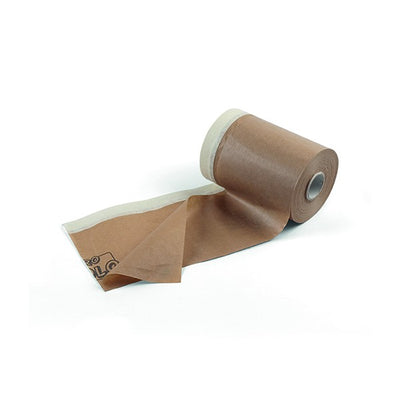
- Protective cardboard on a roll: covering floors and surfaces during works.
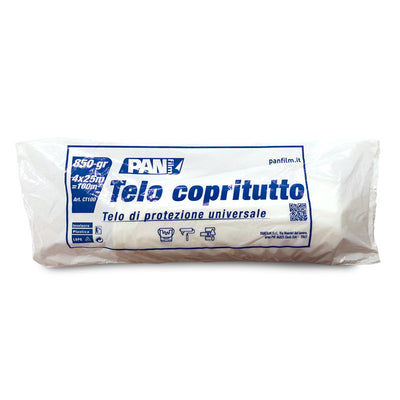
- Polyethylene sheets: cover furniture, equipment and work areas against dust and splashes.
How to choose
Choose according to the surface to be protected and the type of work. For floors that will be walked on, a material that does not tear is best; for packing, one that absorbs impact; for dust, a large sheet. The size of the roll or sheet and the quantity needed for the area should also be considered.
Supplies are on a quotation basis: write to us or call us stating the intended use, quantities and dimensions, and we will reply with availability and terms.
Active filters:
Products in this collection
In your quote
In compare
 In your quote
In compare
 In your quote
In compare
 In your quote
In compare
 In your quote
In compare
 In your quote
In compare
 In your quote
In compare
 In your quote
In compare
 In your quote
In compare
 In your quote
In compare
 In your quote
In compare
 In your quote
In compare
 In your quote
In compare
 In your quote
In compare
 In your quote
In compare
 In your quote
In compare
 In your quote
In compare
 In your quote
In compare
 In your quote
In compare
 In your quote
In compare
 In your quote
In compare
 In your quote
In compare
 In your quote
In compare
 In your quote
In compare
Frequently asked questions: Surface Protection and Packaging
What are protective sheets and films used for on building sites?
They are used to cover floors, furniture, windows and doors, and equipment during masonry, painting or refurbishment work, so that dust, paint and knocks do not damage surfaces. They are also used to pack and handle fragile objects. The type of protection varies according to the surface to be covered and the work being carried out.
What is the difference between a polyethylene sheet and protective board?
The polyethylene sheet, LDPE or HDPE, is lightweight, waterproof and covers large surfaces; it folds well around furniture and equipment. Protective board, in rolls or pressed, withstands the passage of people and tools better and is laid directly on the floor. The first covers and shelters, the second protects the walking surface during the work.
What felt or mat should be laid to protect floors?
To protect floors, non-slip felts, closed-cell mats or boards are used, because they cushion and protect from scratches. Heat-bonded non-slip felt, such as the 270 grams per square metre versions, grips the floor better. The closed-cell polyethylene mat is designed as a protective layer and also for packing.
What should I compare between felts and protective films?
For felts the useful figure is weight in grams per square metre, like the 270 grams of heat-bonded felts. For films you compare thickness in microns, for example the 40 microns of LDPE sheets. More weight or more thickness does not always mean more protection: what counts is the intended use and the surface to be protected.
Which tapes are used to secure protective sheets?
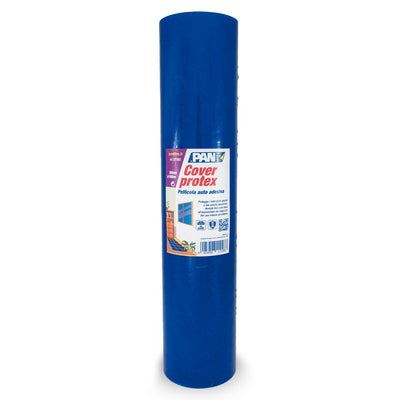
Some sheets already have an adhesive flap or applied tape, such as films with an adhesive flap or HDPE sheets with tape. They are practical for covering quickly. The tape must be applied to clean, dry surfaces and removed without leaving residue, especially on fresh paint or treated wood.
Who uses these protective materials?
They are used by house painters, plasterboard fitters, decorators, refurbishment contractors and technicians working in homes or offices. They are also used by people moving furniture or packing fragile goods, such as shipping and storage companies. In workshops they protect benches and machines from swarf, dust and paint splashes.
Which protection should I choose for freshly painted or delicate surfaces?
For freshly painted surfaces, a sheet or film that leaves no glue residue is advisable, such as papers with an adhesive flap, to be tested first on a hidden spot. Absorbent felt picks up small amounts of liquid and can be useful near a sink or a wet worktop. Bubble film, on the other hand, protects fragile objects during transport.
How do I store protective sheets between jobs?
Roll or fold them neatly and keep them in a dry place away from the sun, because polyethylene and paper can deteriorate with prolonged exposure. A well-stored roll is easier to reuse for the next job. Before putting the material away, remove traces of dust and rubble.