
 In your quote
In compare
Outdoor Tanks
14 products
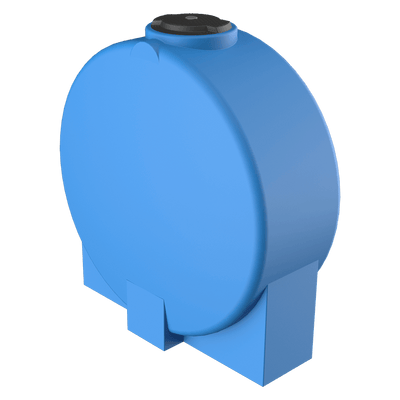
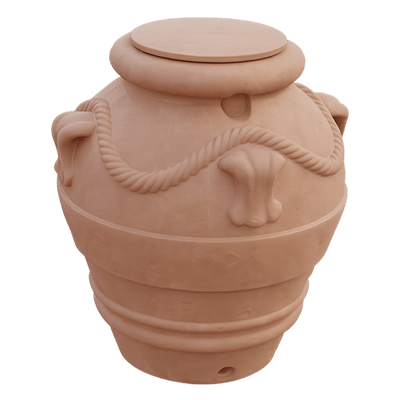
Outdoor tanks are water containers designed to be installed outdoors, in the garden, on site or at a company: they are used to collect and store water for irrigation, technical uses or as a reserve. In this collection you will find Rototec polyethylene tanks and water containers of different shapes and capacities.
Types of tank
- Jolly, Snello and Cisterna polyethylene tanks (Rototec), in vertical, horizontal and oval shapes to suit the space available
- Slim and amphora-shaped water containers, more compact and suited to gardens and terraces
How to choose
Start from the capacity you need and the space where the tank will be placed: a slimmer or lower shape can make the difference where space is tight. Also check that the material and characteristics of the tank are suited to the intended use of the water and to the type of installation, generally above ground.
AMES works on a quotation basis: tell us the quantities and type of use and we will help you choose the right products.
Active filters:
Products in this collection
In your quote
In compare
 In your quote
In compare
 In your quote
In compare
 In your quote
In compare
 In your quote
In compare
 In your quote
In compare
 In your quote
In compare
 In your quote
In compare
 In your quote
In compare
 In your quote
In compare
 In your quote
In compare
 In your quote
In compare
 In your quote
In compare
 In your quote
In compare
Frequently asked questions: Outdoor Tanks
Which outdoor tank should I choose to collect rainwater in the garden?
Choose the tank according to the available space and the quantity of water you want to store. Vertical, horizontal and oval shapes suit different spaces, while slim and amphora-shaped models are more compact and suited to gardens and terraces. Check that the lid closes properly to keep out insects and debris.
Which tank should I choose for irrigation water on a terrace?
For a terrace a compact container is best, such as the slim shapes or the amphora, which take up little space. Check the weight when full and the supporting surface, because a litre of water weighs about a kilogram. Make sure the structure of the terrace can bear the expected weight before installing the tank.
Is a polyethylene tank suitable for drinking water?
For drinking water the material must be suitable for food contact. Before using a tank for drinking water, check in the data sheet that the material and the product are indicated for that use. For irrigation the requirement is different. Do not use containers designed for technical or chemical uses for drinking water.
How do you install an under-stairs or loft tank?
Under-stairs and loft tanks are designed to make use of spaces that would otherwise go unused. Before installing, measure the height and width of the space, and check that the base is level and load-bearing. Provide access for cleaning and for checking the water level.
Do I need a lid or a filter to protect the water in the tank?
A closed lid stops dust, leaves and insects getting into the tank. A filter at the filling point holds back leaves and coarser debris. Clean the bottom and the filter periodically, to keep the water in good condition over time.
How do you empty an outdoor tank for maintenance?
Before emptying, locate the tap or drain point provided on the model. Let the water drain out and clean the inside walls with water and a non-abrasive brush. The tank should then be dried and closed again with the lid. Do not use chemical products without checking that they are compatible with polyethylene.
What dimensions should I check before choosing an outdoor tank?
Check the height, width and depth of the available space, and the capacity in litres you need. Consider the weight when full and the supporting surface. Also check the diameter of the fittings and whether a lid is included, because these affect everyday use.