
 In your quote
In compare
De-icers and absorbents
3 products
In winter, ice and snow make yards, walkways and building sites slippery, while in workplaces liquid spills require a rapid response. This collection brings together Faren products for both situations: de-icers and absorbents.
What you will find in the collection
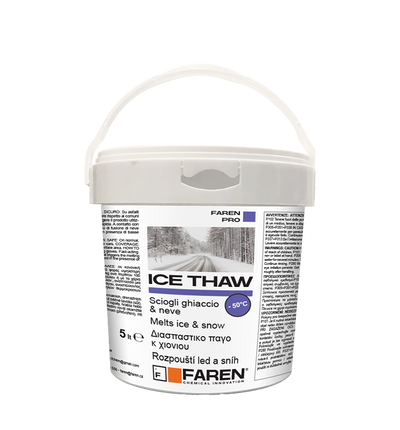
- De-icers: fast-acting melting agents and ice and snow melters, in site tubs
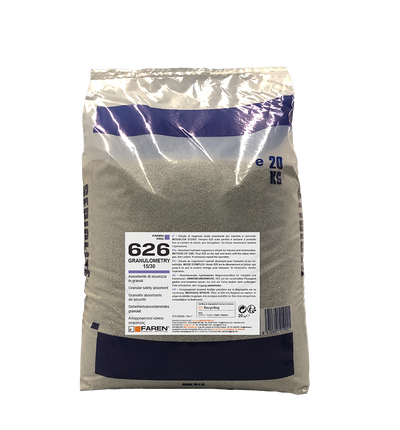
- Absorbents: granules and powders for absorbing liquids spilled on floors and yards
How to choose
For de-icers consider the surface to be treated and the quantity needed; for absorbents the type of liquid to be contained and the pack format (bag or container). Always read the product sheet before use. It is a good idea to keep a stock of de-icer before winter and of absorbent near the areas where liquids are handled, so that you can act immediately when needed and reduce the risk of slipping.
AMES works by quotation: tell us the quantity and type of use and we will help you choose the right products.
Active filters:
Products in this collection
In your quote
In compare
 In your quote
In compare
 In your quote
In compare
Frequently asked questions: De-icers and absorbents
Which de-icer should I use to melt ice on yards and walkways?
The Faren ice and snow melting de-icer and the Faren rapid ice and snow melter are used to melt ice and snow on yards, steps and pedestrian walkways. To choose, consider the surface to be treated and the quantity needed. Apply the product according to the instructions and read the product sheet for guidance on use on paving and green areas.
How much de-icer is needed for a building site area?
The quantity depends on the extent of the area and the thickness of ice or snow to be melted. The site bucket is handy for small areas and for keeping the product within reach. For larger surfaces, consider the most suitable pack size and follow the doses given in the product sheet, so as to avoid waste and an excess of product.
How do you absorb a liquid spill on a floor?
Pour the absorbent onto the spill, working from the edges towards the centre, so as to contain the liquid. Leave it to work for the time given in the product sheet, then collect the material with a scoop. Absorbent powders, such as the super-absorbent powder of mineral origin, must be used on the liquids listed in the product sheet. Wear gloves and mark off the slippery area during the operation.
Which absorbent should I use for a sulphuric acid spill?
For sulphuric acid the catalogue has a specific neutralising absorbent. Do not use makeshift materials, such as sawdust or rags, because they are not suitable for an acid and may react. Wear eye, face and hand protection, and follow the instructions in the safety data sheet, including for the collection and disposal of the spent material.
Which absorbent granule size should I choose?
In the name of the 15/30 absorbent, the granule size range is given. The granule size should be chosen according to the liquid to be absorbed and the surface you are working on. Choose the granulate according to the type of substance the product is intended for in the product sheet, and do not use it for liquids it is not intended for.
Are absorbent powders suitable for all liquids?
Some powders have the wording for any substance in their name, but no absorbent works in the same way with all liquids. Before use, check in the technical data sheet which liquids the product is intended for. The same check applies to the super-absorbent powder of mineral origin. If in doubt, use the absorbent only after reading the safety data sheet.
How do you dispose of absorbent after a spill?
The absorbed material must be collected in closed containers and disposed of in accordance with local rules and the safety data sheet. Do not throw it in drains or down the sink. If the liquid is hazardous, the spent material may be classed as hazardous waste and must be handed to an authorised collector, as required by Italian Legislative Decree 152/2006 (the Italian Environmental Code).
Is a de-icer safe on green areas and delicate paving?
Not all de-icers are suitable for every surface. Before spreading the product on green areas, stone, wood or sensitive paving, check in the product sheet whether it is intended for that use. If in doubt, try a minimal quantity in a hidden spot and observe the effect over the following hours, before treating the whole area.