
 In your quote
In compare
Sheets and Sacks
37 products
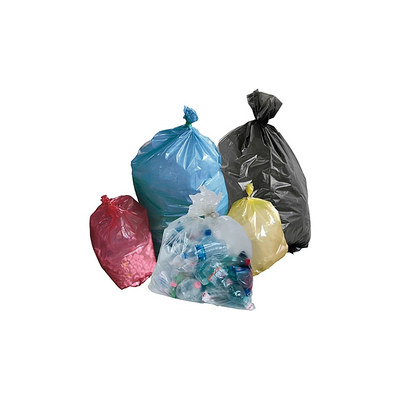
Sheets and sacks are site consumables: they protect surfaces and materials and are used to collect, transport and dispose of rubble and construction waste.
Types in the collection
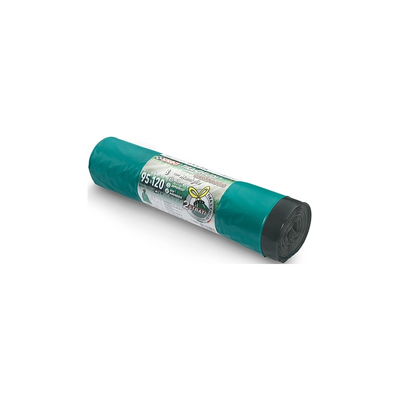
- Building waste and rubble sacks, on a roll
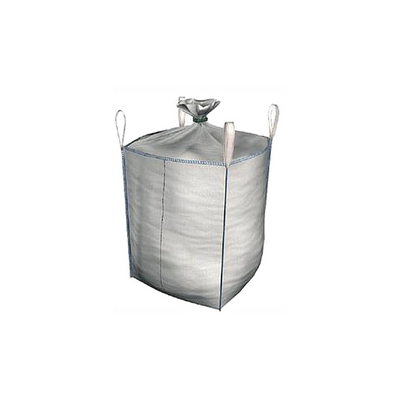
- Sacks and bulk bags for transporting loose materials
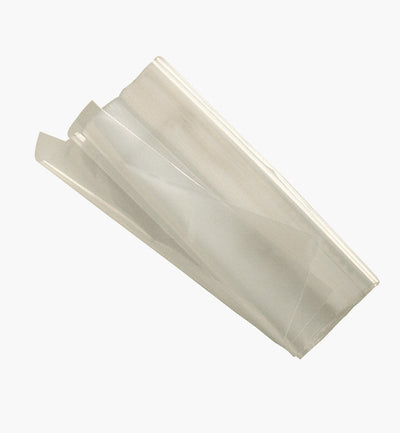
- Polyethylene dust sheets, on a roll or folded
- Dust sheeting for scaffolding
- Protective masking film with adhesive tape for painting and finishing work
How to choose
For sacks, look at their resistance to weight and to the sharp edges of the materials, and at their capacity. For sheets, thickness, size and use matter: a light sheet is enough to protect a surface during painting, whereas covering outdoors requires a sturdier material. For rubble with sharp edges, or for heavy loads, it is better to choose thicker, large-format sacks, so as to avoid tearing during loading.
In our catalogue you will find Panfilm, NPT Sigill, Pavan, Unifix and Verdelook. For sizes and quantities, request a quote from AMES Srl.
Active filters:
Products in this collection
In your quote
In compare
 In your quote
In compare
 In your quote
In compare
 In your quote
In compare
 In your quote
In compare
 In your quote
In compare
 In your quote
In compare
 In your quote
In compare
 In your quote
In compare
 In your quote
In compare
 In your quote
In compare
 In your quote
In compare
 In your quote
In compare
 In your quote
In compare
 In your quote
In compare
 In your quote
In compare
 In your quote
In compare
 In your quote
In compare
 In your quote
In compare
 In your quote
In compare
 In your quote
In compare
 In your quote
In compare
 In your quote
In compare
 In your quote
In compare
Frequently asked questions: Sheets and Sacks
What are sheets and sacks used for on a building site?
Sheets and sacks are consumables: sheets protect surfaces, furniture and materials from dust and splashes, while sacks collect, carry and dispose of rubble and work waste. Choose the type according to what you need to protect or the weight and volume of the waste, so you avoid tears and leaks during transport.
Which rubble sack should you choose?
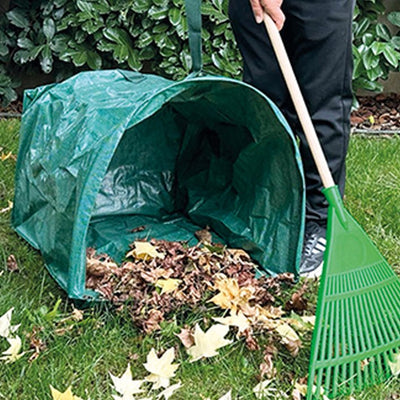
For rubble, resistance to sharp edges and to the weight of the materials matters, as well as capacity. Product titles include the debris sack, the maxi-volume sack, Verdelook rubble sacks and Edil Sac Panfilm building sacks. Before filling it, check the maximum weight stated and do not exceed the declared capacity, to avoid tearing while it is moved.
Big bag with closed top or open: which should you use?
The big bag with a closed top suits loose materials that must be closed during transport. The open big bag is used when the load is to be discharged from above or filled with a crane or a conveyor belt. Always check the rated capacity, shown on the label as SWL, and do not exceed it, because a suspended load requires care.
Polyethylene sheet: which thickness should you choose?
Polyethylene thickness is measured in microns and affects resistance to tears and moisture. Product titles include a 100-micron Poly Cover Panfilm polyethylene sheet and the Edil Cover Panfilm protective sheet for building work. To cover furniture or floors in a light job a thin sheet is enough, while for heavy materials a greater thickness is worthwhile.
Anti-dust sheeting for scaffolding: what is it used for?
Anti-dust sheeting for scaffolding holds back dust and debris, reducing spread to the outside during the work. It is useful in demolition, plastering and stripping work. The sheeting must be firmly fixed to the scaffolding so that the wind does not tear it and it does not hinder safe working.
How do you dispose of rubble and site waste?
Site waste must be taken to authorised facilities and accompanied by the documents required by environmental legislation, D.Lgs. 152/2006 (the Italian Legislative Decree on environmental protection). Do not leave sacks or rubble in the street or in unauthorised areas. Separate the materials where possible and ask the client or the site manager which facility to use.
Black sacks with drawstring or with handles: what is the difference?
Drawstring sacks close quickly and are practical for household or office waste. Sacks with handles make it easier to carry larger volumes by hand. For wet waste or for compost there are biodegradable and compostable sacks, such as Biosacco ones. Choose according to the type of waste, its weight and how easily it needs to be carried.
Who uses sheets and sacks on a building site?
Sheets and sacks are used by building firms, bricklayers, painters and decorators, plasterboard fitters and maintenance workers who work in flats or in occupied buildings. They are used to protect floors, furniture and window frames and to collect debris and waste materials. Those doing renovations use them throughout the job, replacing them when they get damaged.