
 In your quote
In compare
Welding Accessories
91 products
Welding accessories are the materials and tools used alongside the welding machine to work better and with less cleaning up: spatter protection, spares for torches, gas, connections and positioning tools. They are used in the workshop, in metalwork and on site.
Types in the collection
- Anti-spatter sprays, which stop welding spatter sticking to the workpiece and the nozzle (Faren, NPT Sigill, Lenox).
- Anti-slag liquid or spray (Chemical Roadmaster).
- Accessory kits for MIG torches (Awelco).
- Arms for spot welders (Awelco).
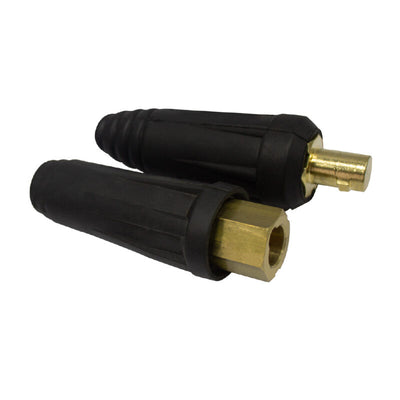
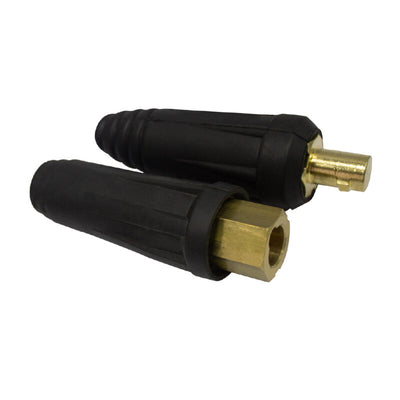
- Gas cylinders and cable connectors.
- 90° magnetic squares for positioning parts before welding (Fervi) and plastic welding rods (Makita).
How to choose
It depends on the type of welding (MIG, spot, other) and on the material: spares must be chosen by welding machine or torch model. Spray products are chosen according to the process and the material to be treated.
AMES Srl works by quotation: tell us the welding machine model and quantity and we will reply with availability and lead times.
Active filters:
Products in this collection
In your quote
In compare
 In your quote
In compare
 In your quote
In compare
 In your quote
In compare
 In your quote
In compare
 In your quote
In compare
 In your quote
In compare
 In your quote
In compare
 In your quote
In compare
 In your quote
In compare
 In your quote
In compare
 In your quote
In compare
 In your quote
In compare
 In your quote
In compare
 In your quote
In compare
 In your quote
In compare
 In your quote
In compare
 In your quote
In compare
 In your quote
In compare
 In your quote
In compare
 In your quote
In compare
 In your quote
In compare
 In your quote
In compare
 In your quote
In compare
Frequently asked questions: Welding Accessories
Which anti-spatter spray should I use to protect the workpiece from spatter?
Anti-spatter sprays stop welding spatter from sticking to the workpiece and the torch nozzle. The catalogue has products from Faren, NPT Sigill, Lenox and Chemical Roadmaster. Apply them on a clean, dry surface before welding, and read the product sheet for drying times and the ventilation required.
How do you connect the earth clamp to the welding machine?
The earth clamp must be fixed to the workpiece or the bench, close to the welding area, because it closes the current circuit. The contact must be clean and stable, otherwise the earth point overheats and the weld becomes unstable. Connect the cable to the terminal indicated in the welding machine's manual.
Which electrode holder should I choose for stick welding?
The electrode holder grips the electrode and carries the current to the work point. The catalogue includes models sold separately from the cable, such as the Parva 2 electrode holder, and models with the cable included, such as the electrode holder plus cable. Choose the holder according to the working current and the electrode diameter, checking the product sheet.
What cable cross-section is needed for a welding machine?
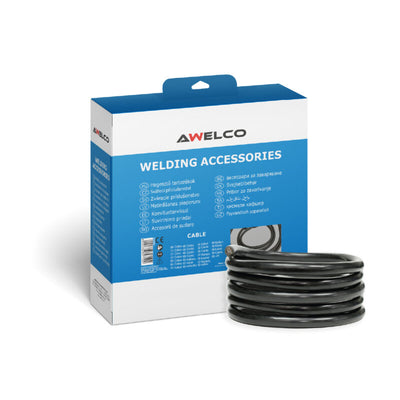
The cable cross-section should be chosen according to the welding current and the length of the cable: the longer the cable, the more it is worth increasing the cross-section to limit voltage drop. In the catalogue, the screw-type cable lugs are intended for 25 and 35 mm² cables. Always check the rating given by the welding machine manufacturer.
How do you connect welding cables with Texas connectors?
Texas connectors let you join two welding cables or extend them, without having to solder the terminals. The connection must be made on clean, well-tightened conductors, because a loose contact overheats. Periodically check the condition of the insulation near the connector and replace it if it is damaged.
How do you use a magnetic square in the workshop?
The magnetic square holds workpieces at an angle during tack welding or welding. The adjustable one lets you set the angle, while the Ingco set of 45, 90 and 135 degrees covers the most common angles. Place it on a clean surface and away from the arc area, because heat can reduce the magnet's holding force.
Which arms should I choose for an Awelco spot welder?
For Awelco spot welders the catalogue includes pairs of standard arms, the Digital Spot Double Arms pair and versions with vertical or vertical and horizontal adjustment. Adjustable pairs let you position the workpieces better. Choose the pair compatible with the spot welder model, checking it in the product sheet.
How do you store and use welding gas cylinders safely?
Argon and argon-CO2 mixture cylinders must be secured upright with a chain or support, away from heat sources and sparks. The regulator must be fitted carefully and the valve closed when the welding machine is not in use. Store cylinders in a ventilated place and follow the rules on the transport and storage of compressed gases.