
 In your quote
In compare
Professional Masking for Cars
17 products
Masking protects the parts of the car that must not be painted or soiled during repairs, touch-ups and paint jobs. This collection brings together Panfilm products for professional masking in the automotive sector.
What you will find in the collection
- Masking tapes: to define paint edges with a sharp line.
- Gap products: foam strips to insert between parts, such as near doors and bonnets, to stop paint getting through.
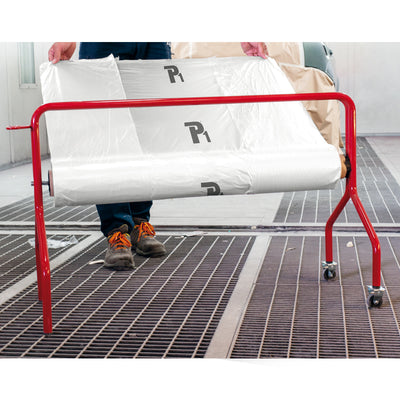
- Protective films and covers: to cover large surfaces, such as glass and bodywork.
How to choose
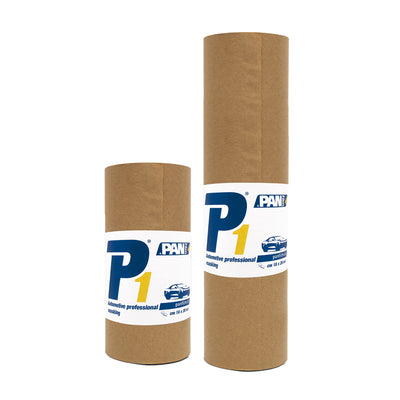
Choose the tape according to the job: a good masking product must adhere well and peel off without leaving adhesive residue on the surface. For large surfaces a film with tape already attached is best, applied in a single pass. Check the width and length of the roll against the parts to be protected, and consider the temperature resistance if the paint is then dried in an oven.
Let us know the quantities and formats you need: AMES will prepare a tailored quotation.
Active filters:
Products in this collection
In your quote
In compare
 In your quote
In compare
 In your quote
In compare
 In your quote
In compare
 In your quote
In compare
 In your quote
In compare
 In your quote
In compare
 In your quote
In compare
Panfilm
Polyethylene film with adhesive tape for masking P1-Cover Quick-Pe Panfilm
Code p1-cover-quick-pe
 In your quote
In compare
 In your quote
In compare
 In your quote
In compare
 In your quote
In compare
 In your quote
In compare
 In your quote
In compare
 In your quote
In compare
 In your quote
In compare
 In your quote
In compare
Frequently asked questions: Professional Masking for Cars
How do you mask a car before painting it?
The parts that must not be painted are protected with masking tapes, films and sheets. First the surface is cleaned and degreased, then tapes are applied to define the edges and sheets to cover windows, tyres and large areas. Foam strips are used to seal gaps, such as those between the doors and the bonnet. Allow everything to dry thoroughly before applying the paint.
What is the difference between semi-crepe paper, washi and coloured masking tape?
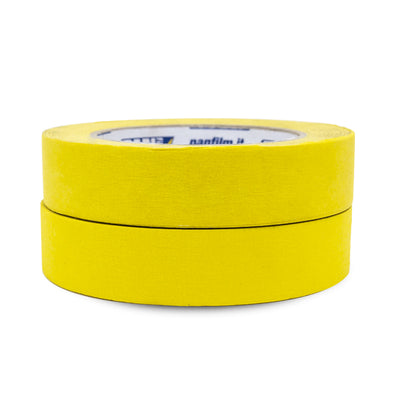
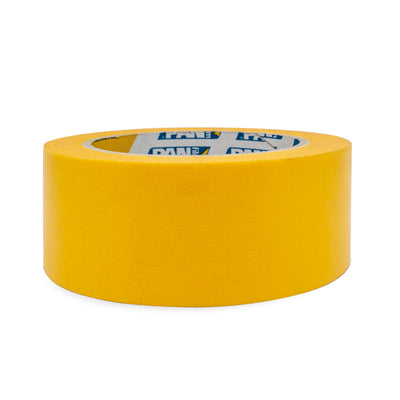
Semi-crepe paper tapes, such as the blue P1-785 or yellow P1-780 models, are the standard choice for paint edges. Washi paper, such as the P1-750 model, is another family of tapes to compare. Each type has different adhesion and resistance: read the tape's data sheet and choose according to the edge you need to achieve and the surface.
How do you use electrostatic sheeting to cover bodywork?
Electrostatic sheeting clings to the surface without adhesive, thanks to static charge, and covers large areas such as windows and bodywork. It is unrolled from the roll holder, spread out carefully and the creases are smoothed out. It protects against dust and overspray, but does not replace tapes for defining edges. Use it after cleaning and before applying the paint.
What are paper floor mats and seat covers for cars used for?
Paper floor mats and seat covers protect the interior while work is carried out on the car, for example during a repair or bodywork job. They are laid on the floor and the seats and removed at the end of the work. Choose the size suited to the car model and check that they do not slip during the work.
What are adhesive foam strips for gaps and when should I use them?
The adhesive foam gap strip is inserted into gaps between parts of the car, such as doors, bonnets and wings, to stop paint getting through. It is applied after cleaning the area. Once in place it must be smoothed carefully to avoid smudges, and removed carefully after painting.
How do you remove masking without leaving residue on the paint?
When the paint is touch-dry, remove the tape by pulling it slowly and at a low angle, to stop the film peeling away along the edges. The waiting time depends on the product and the temperature: follow the instructions on the tape's data sheet and on the paint's. Do not leave the masking exposed to the sun for a long time.
How much tape and sheeting do I need to mask a whole car?
The amount needed depends on the size of the vehicle and the number of parts to cover. It is best to start with the main edges and the largest parts, such as the windows and the bonnet, and then add the gaps with the foam strips. Allow a safety margin, because waste is unavoidable during cutting and application.