
 In your quote
In compare
Headwear
37 products
Professional headwear protects the head from the sun, the cold and dirt and, where needed, ensures hygiene during processing. It is used on site, in the workshop, in food processing and in outdoor work.
Types in the collection
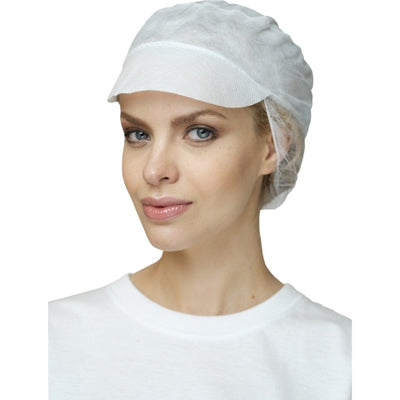
- Disposable polypropylene hair caps (Neri)
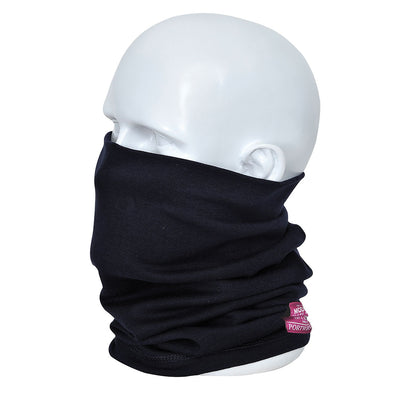
- Tubular multifunctional headwear (Neri)
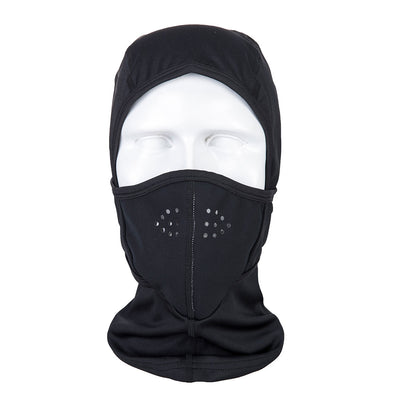
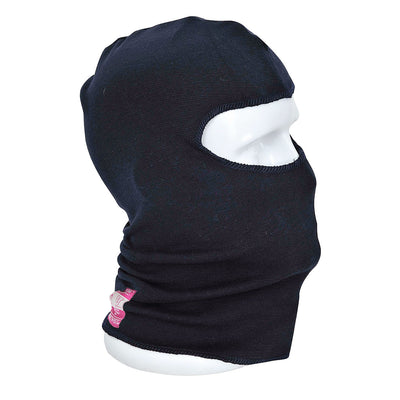
- Balaclavas and caps, including with a mosquito net (Portwest)
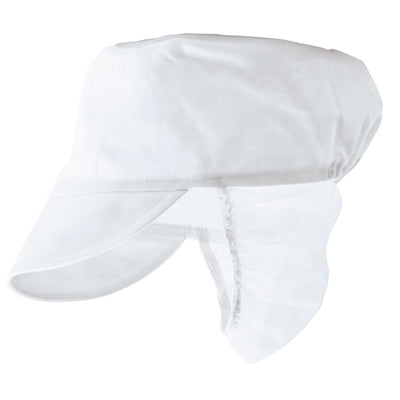
- Chef's cap (Portwest)
- Straw hats in various sizes (Vigor)
How to choose
Choose according to use: the disposable cap for hygiene, the balaclava and tubular headwear for the cold, the straw hat for the sun. Check the size and the material: washable models last longer, disposable ones are convenient for clean processes. Headwear is not a substitute for the safety helmet where one is required.
If you are ordering for a team, tell us the sizes and colours needed: we will prepare the complete supply.
For sizes, quantities and set-ups, write to or call AMES Srl: we will prepare a tailored quotation for your site or department.
Active filters:
Products in this collection
In your quote
In compare
 In your quote
In compare
 In your quote
In compare
 In your quote
In compare
 In your quote
In compare
 In your quote
In compare
 In your quote
In compare
 In your quote
In compare
 In your quote
In compare
 In your quote
In compare
 In your quote
In compare
 In your quote
In compare
 In your quote
In compare
 In your quote
In compare
 In your quote
In compare
 In your quote
In compare
 In your quote
In compare
 In your quote
In compare
 In your quote
In compare
 In your quote
In compare
 In your quote
In compare
 In your quote
In compare
 In your quote
In compare
 In your quote
In compare
Frequently asked questions: Headwear
Which work headwear should I choose for sun protection on site?
For sun protection on outdoor work, choose headwear that covers the back of the neck and ears well, such as multifunctional tubular headwear or a cowboy-style straw hat. The collection includes the Original Buff work headwear and the Coolnet UV+ Buff model, designed for outdoor use. Choose a model that is comfortable to wear all day and check the size before use.
Which disposable cap should I use for food hygiene?
For food hygiene, disposable polypropylene hair caps are used, worn over the hair during processing. The collection includes the Portwest metal-detectable disposable cap, pack of 2800 pieces, useful where any fragments need to be detected. There is also the Portwest D100 disposable PP hat. Choose the model according to how many changes you need.
What is the difference between a balaclava and a neck warmer?
The balaclava covers the head, neck and part of the face, so it is used in intense cold and to protect against dust and splashes. The neck warmer, such as the Portwest Z739 black polyester tubular neck warmer or the P30 fleece neck warmer, mainly protects the neck and is easier to take off. For cold weather you need a heavier fabric, while a light tube is enough for mild days.
Is there flame-retardant headwear for jobs with a risk of flame?
Yes, the collection includes balaclavas and neck protectors in an FR version, that is, with a flame-retardant and antistatic treatment. These are the Portwest Modaflame models, such as the FR20 balaclava and the FR19 neck protector. Check the flame-retardant treatment on the product sheet and care for it as the manufacturer indicates, because incorrect washing can reduce its effectiveness. Choose the model according to the risk of the task.
Which chef's hat should I choose for the kitchen?
The chef's hat and chef's cap are used in the kitchen and in food work, where hair coverage and hygiene matter. The collection includes the Portwest S906 and S899 chef's caps, the S903 chef's bandana and the S896 hat with hair net. The bandana gives soft coverage, while the hat with hair net keeps hair tied back even with long hair.
Which headwear can I wear under a hard hat on site?
Under a hard hat you can wear the Portwest CV26 cooling sun neck cover or the CV05 cooling scarf, which protect the back of the neck and the neck from the sun without getting in the way. For cold weather, a neck warmer or a thin balaclava can be worn under the hard hat only if the size allows it. Always check compatibility with the hard hat you use, because the headwear must not prevent it from fitting correctly.
Who uses work headwear, and for what jobs?
Bricklayers, construction workers, workshop staff and anyone working outdoors use it, as well as those working in kitchens and food processing. The headwear should be chosen according to the task: sun or cold protection for outdoor work, hygienic coverage in food workshops, flame protection where there is a risk of sparks.