
 In your quote
In compare
Sanitisers
60 products
Sanitisers reduce the presence of germs on hands, surfaces and rooms. In this collection you will find professional products for hygienic cleaning in workshops, warehouses, kitchens and work premises.
Types in the collection
- Sodium hypochlorite solutions, concentrated, for sanitising surfaces and rooms.
- Disinfectant cleaners, including scented ones, such as those from Firma Chimica.
- Chlorine-based sanitising cleaners, in gel form, for surfaces and sanitaryware.
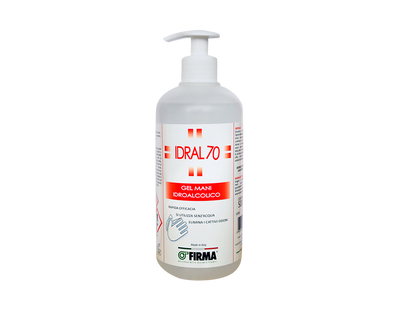
- Hand sanitisers: alcohol-based gels and wipes.
- Sanitising sprays, including single-use ones, for rooms and vehicle interiors.
- Peracetic acid-based cleaners and sanitisers for emulsions, such as those from Faren.
How to choose
Choose the product according to what you need to sanitise: skin, hard surfaces, rooms or vehicles. Always read the label and safety data sheet for concentration, contact times and rinsing. Never mix chlorine-based products with acids or with other cleaning products.
AMES works on a quotation basis: write to us or call 051 728529 for quantities, pack sizes and terms.
Active filters:
Products in this collection
In your quote
In compare
 In your quote
In compare
 In your quote
In compare
Unifix
CareLine disinfectant for hands and surfaces Unifix
Code unifix-careline-disinfezione-per-mani-e-superfici
 In your quote
In compare
 In your quote
In compare
 In your quote
In compare
 In your quote
In compare
 In your quote
In compare
 In your quote
In compare
 In your quote
In compare
 In your quote
In compare
 In your quote
In compare
 In your quote
In compare
 In your quote
In compare
 In your quote
In compare
 In your quote
In compare
 In your quote
In compare
 In your quote
In compare
 In your quote
In compare
 In your quote
In compare
 In your quote
In compare
 In your quote
In compare
 In your quote
In compare
 In your quote
In compare
Frequently asked questions: Sanitisers
What are professional sanitisers used for?
Sanitisers reduce the presence of germs on hands, surfaces and work environments. In workshops, warehouses, kitchens and work premises, disinfectant cleaners, hand gels, room sprays and products for surfaces and sanitaryware are used. Choose the type according to where you are working, what you touch and how often the treatment must be repeated.
Sodium hypochlorite or peracetic acid: which sanitiser should you choose?
Active chlorine sanitisers, such as Deter Tablet effervescent tablets or the Cloripox product for the food industry, work differently from products based on peracetic acid, such as Oxy Food. Both require the dilution and contact times stated on the label. Choose according to the type of surface and the intended use, and do not mix them with each other.
Sanitising hand gel: alcohol-based or not?
Some hand gels are alcohol-based, such as ROAD GEL or Extra Gel. The alcohol content is flammable: keep the gel away from flames and heat sources. Apply it to dry hands and rub it in until dry. Read the data sheet for the alcohol percentage and the action time, and check whether the product is also suitable for frequent use.
Sanitising spray for vehicle interiors: how do you use it?
The vehicle interior spray, such as the Depur Car product or Abitacoli NPT Sigill, is sprayed into the closed cabin for the time indicated. Before use, remove items and cover sensitive parts, then ventilate the cabin at the end of the treatment. Do not ingest the product and do not leave it within reach of children or animals.
Sanitiser for air conditioners: what is it used for?
The air conditioner sanitiser, such as the Clima Clean product, is used to treat the inside of the system and the surfaces in contact with air, to reduce odours and germs. It must be used with the system switched off, following the procedure on the data sheet. After the treatment, ventilate the room and replace the filters if the system manufacturer recommends it.
Concentrated or ready-to-use sanitising cleaner for the bathroom: what is the difference?
The ready-to-use cleaner is applied as it is, while the concentrate must be diluted with water in the proportions stated on the label. Getting the proportion wrong can reduce effectiveness or damage surfaces. Ready-to-use is simpler for quick jobs. Product titles include both versions of the Bagno San line.
Sanitiser for the food industry: which products should you use?
For surfaces and equipment in contact with food you need products intended for the food industry, such as the active-chlorine Cloripox Alimentare and the peracetic-acid-based Oxy Food. Check on the label that the product is approved for that type of surface and whether the data sheet requires a final rinse. Do not use a generic sanitiser on food surfaces.
How do you use a sanitiser safely?
Read the label and the safety data sheet, which list the hazards and the measures to take under the CLP Regulation. Wear suitable gloves, ventilate the room and do not mix different products, because some combinations, such as hypochlorite with acids, release dangerous gases. Store products in their original containers, away from children and heat sources.