
 In your quote
In compare
Welding Helmets
63 products
Welding masks protect the face and eyes from sparks, spatter and the light radiation of the arc. They are personal protective equipment that is indispensable in the workshop, in metalwork and on site for anyone welding or cutting metals.
Types in the collection
- Helmet-type masks with auto-darkening lens
- Masks with a flip-up visor for alternating between welding and clear-view work
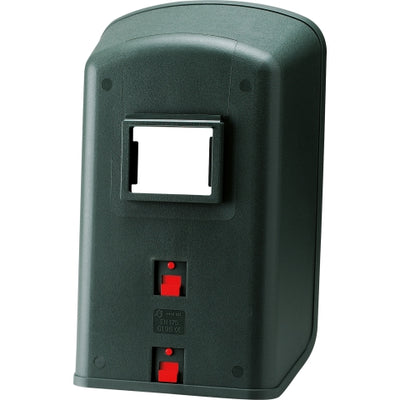
- Handheld shields and fixed-shell masks, at a modest cost
- Welding goggles with dark lenses
- Spares: dark filter lenses and sweatbands
The brands included are Neri, Awelco and A.M.E.S. srl.
How to choose
The type of welding and the time of use decide the choice. With frequent use an auto-darkening shield is worthwhile, as it gives a clear view between one weld and the next. Check the shade number of the lens, the comfort of the headgear and the availability of spares.
Prices and availability are defined by quotation: write to us or call us and the AMES team will suggest the supply best suited to your job.
Active filters:
Products in this collection
In your quote
In compare
 In your quote
In compare
 In your quote
In compare
 In your quote
In compare
 In your quote
In compare
 In your quote
In compare
 In your quote
In compare
 In your quote
In compare
 In your quote
In compare
 In your quote
In compare
 In your quote
In compare
 In your quote
In compare
 In your quote
In compare
 In your quote
In compare
 In your quote
In compare
 In your quote
In compare
 In your quote
In compare
 In your quote
In compare
 In your quote
In compare
 In your quote
In compare
 In your quote
In compare
 In your quote
In compare
 In your quote
In compare
 In your quote
In compare
Frequently asked questions: Welding Helmets
What is the difference between an auto-darkening welding helmet and a fixed-shade one?
The auto-darkening helmet has a liquid-crystal screen that darkens by itself when the arc is struck, so you do not need to lower it for every weld. The fixed-shade helmet has a dark filter that is always the same and must be lowered before welding. The catalogue includes both types, such as the tiger TOP electronic helmet and the Ingco auto-darkening helmet.
What does DIN 11 mean on a helmet lens?
DIN 11 is the shade number of the lens, that is, the amount of light the filter lets through. A higher number means a darker filter. The shade is chosen according to the process and the intensity of the arc, as indicated by the manufacturer. The Golden Protane DIN 11 lens has the same shade as the Protane DIN 11 lens.
How do you choose the lens for a welding helmet?
The lens must be chosen according to the welding process and the intensity of the arc, and must be compatible with the helmet model. When the product title gives the shade, as in the Protane DIN 11 lens, the figure is already indicated. For other lenses, such as the replacement screen or the PROTECT Awelco cover lenses, check the shade and compatibility in the product sheet.
When is a replacement lens or a clear cover lens worth using?
Clear cover lenses act as a transparent protection in front of the dark lens, which would otherwise wear out or get scratched by slag. The cover lens is replaced without changing the helmet. Replacement lenses let you repair the helmet instead of throwing it away. Check that the spare is compatible with the model, because the sizes vary.
What types of helmet are there: head-mounted and handheld?
The catalogue includes head-mounted helmets, with the screen on the head and hands free, and handheld or fixed-shell shields with a handle. Flip-up versions have a hinged visor, useful for alternating between welding and visual inspection of the piece. Choose the type according to the job: the head-mounted helmet is more practical for continuous work.
What does EN 175 indicate on a welding helmet?
EN 175 is the European standard covering eye and face protection equipment during welding and allied processes. Polypropylene is the material of the helmet body in this model. Look for the marking on the product and in the product sheet, because conformity must be checked for each model, regardless of the name.
Which welding goggles are available besides helmets?
Besides helmets, the catalogue has welding goggles with dark lenses, such as the Protector 500 Awelco goggles and the shade 5 Portwest PW68 goggles. The other goggles in the catalogue, such as the 511 models or the adler ones, should be checked in the product sheet for their intended use. Choose the shade according to the type of work.
How do you maintain a welding helmet and when should you change the lens?
Clean the lens with a soft cloth and check that there are no scratches or cracks, because a damaged lens can distort your view of the arc. Replace the dark lens when it becomes scratched or dull. Sweatbands are changed when they no longer hold the helmet securely on the head. Check the helmet before every use.