
 In your quote
In compare
Surform
20 products
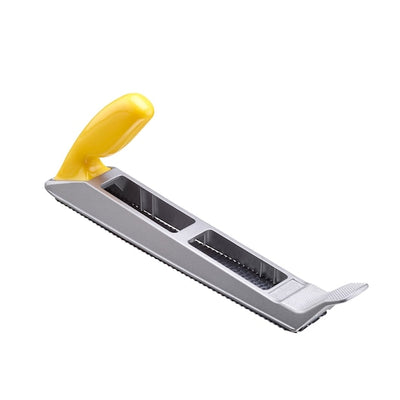
Surform is a perforated-blade tool, halfway between a plane and a rasp, used to rough down and finish surfaces without clogging. It is used in joinery, building and maintenance on wood and soft materials, where you want to remove material quickly and in a controlled way.
What you will find in this collection
- Surform scrapers and planes complete with handle
- standard Surform files
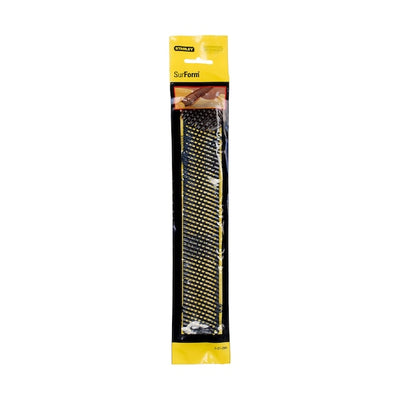
- replacement blades in various shapes and sizes
Brands included: Stanley and A.M.E.S.
How to choose
The shape of the tool matters: the block plane is suited to flat surfaces, the file or long scraper to edges and curved profiles. The blades are replaceable, so when the cut loses its effectiveness you simply change the blade without throwing away the tool: check compatibility with the model you already have.
If you are looking for a specific spare or a tool for a particular job, send us the code or describe the use: AMES Srl works on a quote basis.
Active filters:
Products in this collection
In your quote
In compare
 In your quote
In compare
 In your quote
In compare
 In your quote
In compare
 In your quote
In compare
 In your quote
In compare
 In your quote
In compare
 In your quote
In compare
 In your quote
In compare
 In your quote
In compare
 In your quote
In compare
 In your quote
In compare
 In your quote
In compare
 In your quote
In compare
 In your quote
In compare
 In your quote
In compare
 In your quote
In compare
 In your quote
In compare
 In your quote
In compare
 In your quote
In compare
Frequently asked questions: Surform
What is a Surform and what is it used for?
The Surform is a perforated-blade tool, halfway between a plane and a rasp, designed for roughing out and finishing surfaces without clogging. It is used on wood and soft materials, where material needs to be removed quickly and in a controlled way, in joinery, building and maintenance.
Plane, file or scraper: which shape should I choose?
The shape depends on the surface to be worked. The block plane suits flat surfaces, while the long file or scraper helps with edges and curves. The catalogue also includes round and flat shapes. To remove a lot of material a sturdy shape is best, to finish a lighter one that is easier to guide.
What is the difference between a standard Surform and a combination plane?
The standard Surform is a file with a perforated blade, which is replaced when the blade wears out. The combination plane brings several functions together in one tool, such as planing and filing, and requires replacement blades suited to its shape. Always check the blade code before buying, because compatibility varies from model to model.
When should I change the blade of a Surform?
Change the blade when the surface becomes harder to work or the cut becomes uneven, a sign that the holes or the cutting edge have worn. Before replacing it, check that the new blade is compatible with the model. Replacement blades are bought separately, for both the plane and the file, and should be chosen using the model code.
What materials is the Surform used on, and where is it not advisable?
The Surform works well on wood, cork, soft plastic and soft materials in general, where it removes material in a controlled way. On hard metals or very abrasive materials the tool wears out faster. For metal there are dedicated shapes, such as the small metal plane or the metal plane, and it is worth checking the product page for the materials stated by the manufacturer.
How do you use a Surform without spoiling the surface?
Work with light, even strokes in the direction of the material, without pushing hard, so as not to mark the edge. On block models, hold the handle with both hands and check the result often with a square or a straightedge. On thin edges it is best to stop short of the corner to avoid splintering.
Surform or traditional file: when should I choose one or the other?
The Surform is the right choice when you need to rough out quickly without the surface clogging with shavings, as in softwood or maintenance work. The traditional file is better for fine finishing and hard materials, where more precise control of the cut is needed. Consider the type of material and the degree of finish you need.