
 In your quote
In compare
Equipment for Plumbers
8590 products
Plumbers install and repair water and heating systems: they drill, fix, seal and connect. The collection offers tools, spare parts and materials for this trade, with brands such as DeWalt, Fervi, Fischer, Makita, Unifix and Stanley.
What you will find in this collection
- Clean water pumps, fountains and sinks
- Wall plugs for heavy and light fixings
- Hole saws, hole cutters and drill bits for masonry and concrete
- Impact drills, drivers and rotary hammers
- Angle grinders and power tools
- Professional sealants and application systems for adhesives and sealants
- Pliers and precision hand tools
- Batteries, chargers, cases and tool boxes
How to choose
- Pumps: state the flow rate and head you need and the type of water to be moved; in this collection they are for clean water.
- Wall plugs: choose according to the substrate material and the load to be supported.
- Holes: the hole saw is chosen according to the hole diameter and the material to be cut through.
- Batteries: stay on the same battery platform across several tools.
To choose the right models, quantities and compatibility for your work, request a quote: AMES technicians will help you find the right solution.
Active filters:
Products in this collection
In your quote
In compare
 In your quote
In compare
 In your quote
In compare
 In your quote
In compare
 In your quote
In compare
 In your quote
In compare
 In your quote
In compare
 In your quote
In compare
 In your quote
In compare
 In your quote
In compare
 In your quote
In compare
 In your quote
In compare
 In your quote
In compare
 In your quote
In compare
 In your quote
In compare
 In your quote
In compare
 In your quote
In compare
 In your quote
In compare
 In your quote
In compare
 In your quote
In compare
 In your quote
In compare
 In your quote
In compare
 In your quote
In compare
 In your quote
In compare
Frequently asked questions: Equipment for Plumbers
Which pipe cutter should I choose for plastic and copper pipes?
The wheel pipe cutter is suited to plastic and copper pipes and covers diameters from 3 to 35 mm, as stated in the title. The wheel makes a clean cut without swarf, which makes the later connection of fittings easier. For copper, the wheel should be turned gradually at each revolution, without overtightening, so as not to deform the pipe.
How do I choose a pipe wrench for threaded steel pipes?
The pipe wrench is chosen according to the pipe diameter, in the case of the 1 to 3 inch models, and the jaw that adjusts its opening. Chrome-vanadium steel is forged to withstand the stresses of the work. To avoid damaging the pipe, rest the jaw on the part to be turned and hold the other end still with a second wrench.
Which pressurisation kit should I choose for domestic water?
The pressurisation kit with a diaphragm vessel absorbs pressure surges and reduces fluctuations in the water system. The electronic control panel manages the starting and stopping of the pump according to the pressure. The capacity of the vessel, such as the 8 litres stated in the title, should be chosen according to the pump and the flow rate required by the system.
How do I choose anti-backflow drain stoppers and anti-flood sanitary fixture stoppers?
The anti-backflow drain stopper is installed on the drain to stop water coming back and flooding the room, and is chosen between flexible and rigid versions according to the drain pipe. The sanitary fixture stopper for bidet, toilet and washbasin does the same job on sanitary appliances. Check the pipe diameter before buying, because the wrong model will not close properly.
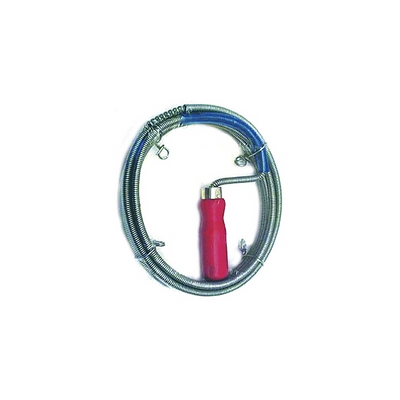
How do I unblock a sink with a spiral drain auger?
The spiral auger is fed into the drain, rotating slowly, until it meets the blockage, which is then removed with small back-and-forth movements. Choose the diameter and length according to the drain, such as the 6 mm, 4.5 m auger with reel. Do not force it too hard, because you risk damaging the pipe, and always wear gloves.
Which greywater and runoff water treatment systems should I choose?
The polyethylene sand trap separates sand from runoff water, while the grease trap holds back oils and fats from greywater, as indicated by the EN standards cited in the titles. Phytopurification (plant-based water treatment) with a horizontal-flow tray is a final treatment that uses plants and substrate. The choice and sizing should be agreed with a designer, taking account of local authorisations.
How does a float switch with an alarm work for lifting stations?
The float switch regulates the water level in the tank and starts or stops the pump according to its position. The audible and visual alarm device signals when the level becomes abnormal, so that action can be taken before flooding occurs. The single-phase inverter, for pumps up to 1.5 kW, controls the pump more precisely, but must be installed by qualified personnel.