
 In your quote
In compare
Pliers
244 products · Hand Tools for Construction
Pliers are among the most widely used hand tools in the workshop, on site and in building services: they are used to grip, hold, bend and cut. This collection brings together professional pliers from A.M.E.S., Stanley, Milwaukee, Fervi and DeWalt.
Types of product in the collection
- Combination and long-nose pliers (half-round, long, bent)
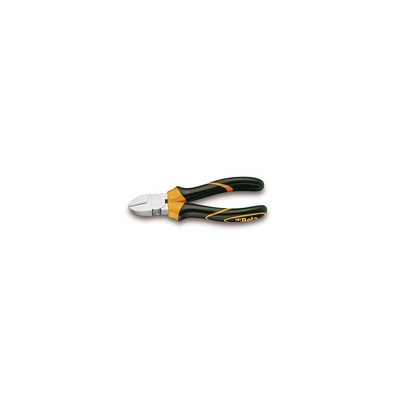
- Diagonal and end cutting nippers
- Wire strippers
- Locking pliers, including C-clamp types, for holding workpieces still during machining
- Circlip pliers, pipe wrench pliers and plier sets
How to choose
Choose the type to suit the operation: long nose for tight spaces, cutting nippers for cutting wires and cables, locking pliers for clamping or gripping. Then consider the length, the quality of the steel and the handle: an ergonomic, non-slip grip reduces fatigue during prolonged work. For work near live parts you need insulated tools, as indicated on the product sheet.
AMES sells by quotation: tell us the type, size and quantity and we will reply with availability and lead times.
Active filters:
Products in this collection
In your quote
In compare
 In your quote
In compare
 In your quote
In compare
 In your quote
In compare
 In your quote
In compare
 In your quote
In compare
 In your quote
In compare
 In your quote
In compare
 In your quote
In compare
 In your quote
In compare
 In your quote
In compare
 In your quote
In compare
 In your quote
In compare
 In your quote
In compare
 In your quote
In compare
 In your quote
In compare
 In your quote
In compare
 In your quote
In compare
 In your quote
In compare
 In your quote
In compare
 In your quote
In compare
 In your quote
In compare
 In your quote
In compare
 In your quote
In compare
Frequently asked questions: Pliers
Which pliers do I need to cut wires and cables?
To cut wires, cables and cable ties you use side cutters. Those with diagonal cutting edges cut close to the surface, while end cutters cut in line. In the catalogue you will find diagonal cutters, also for electronics, and pliers for cable lugs. For electrical cables choose insulated tools with a suitable insulation marking, because they protect you in case of accidental contact with a live part.
What are the differences between combination pliers, long-nose pliers and adjustable pliers?
Combination pliers join gripping and cutting and are used for general work. Long-nose pliers reach into tight spaces and let you bend wires and small parts. Adjustable pliers, such as Polygrip pliers, have jaws that open to several positions and hold objects of different sizes. Choose according to the working space and the part to be gripped.
How do I use circlip pliers?
Circlip pliers are used to fit and remove retaining rings on shafts and in bores. There are versions for internal rings, which fit into a bore, and for external rings, which go onto a shaft. The type of ring and its size determine the right pliers. Wear safety glasses, because the ring can spring out of its seat.
Which cable tie tool should I choose for plastic cable ties?
The cable tie tool is used to tension the plastic cable tie and lock it with the right amount of tension. The metal model in the list covers cable ties from 2.2 to 4.5 mm wide, so check the size of your cable tie before buying. Use the tool only on cable ties of the stated size, so as not to damage them and to get an even hold.
When should I choose straight-nose or curved-nose sheet metal pliers?
Sheet metal pliers are used to bend thin sheet and for work on roofing, channels and gutters. Straight jaws hold the sheet in line and work well on flat edges. Curved jaws reach recessed areas and curved bends. Choose the model according to the shape of the bend to be made and the position of the workpiece.
What are concreting pliers and locking pliers used for?
Concreting pliers are designed for work on site, where metal wires are cut and tightened. Locking pliers, including C-clamp types, hold parts firmly in position without having to hold them by hand, which is useful during welding or assembly. In the sets you will find several sizes, so choose the one that best covers your most frequent job.
What precautions should I take when using pliers and cutters safely?
Wear safety glasses when cutting wires or rebar, because fragments can fly off. Check that the cutting edges are not chipped and that the handles are intact. Do not use pliers as a hammer and do not cut live cables with non-insulated tools. For work on electrical installations use insulated tools and make sure the line is disconnected.