
 In your quote
In compare
Cable Protection Systems (Cable Protectors)
49 products · Signage and Safety Management
Cable protectors and cable protection systems are used to protect electric cables and hoses from crushing and wear and to keep power routes tidy on building sites, at trade fairs and in industrial environments. Where people, trucks or vehicles pass, a cable left on the ground is a trip hazard and is quickly damaged.
Types of product in the collection
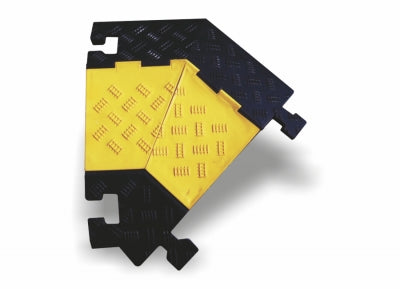
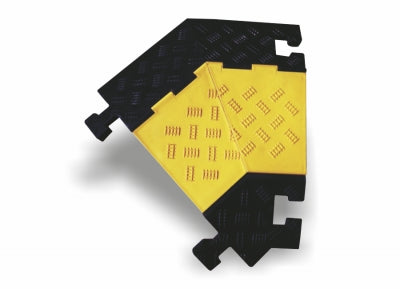
- Heavy-duty cable protectors: rigid rubber or plastic protectors with a yellow lid, with one or more channels, with corner elements for changing direction, including from the Friggeri and Sisas brands.
- Cable trunking and adhesive cable covers: to cover and guide cables on the floor or wall.
- Corrugated conduit: flexible sleeving through which to run and protect conductors.
How to choose
What matters is the load the protection will have to bear: for foot traffic alone a light cable cover is enough, while for trucks and vehicles you need a heavy-duty cable protector. Then check the number and diameter of the cables to be housed and whether the installation is temporary or permanent.
For quantities, availability and delivery times AMES Srl works on a quotation basis: write to info@amessrl.com or call 051 728529.
Active filters:
Products in this collection
In your quote
In compare
 In your quote
In compare
 In your quote
In compare
 In your quote
In compare
 In your quote
In compare
 In your quote
In compare
 In your quote
In compare
 In your quote
In compare
 In your quote
In compare
 In your quote
In compare
 In your quote
In compare
 In your quote
In compare
 In your quote
In compare
 In your quote
In compare
 In your quote
In compare
 In your quote
In compare
 In your quote
In compare
 In your quote
In compare
 In your quote
In compare
 In your quote
In compare
 In your quote
In compare
 In your quote
In compare
 In your quote
In compare
 In your quote
In compare
Frequently asked questions: Cable Protection Systems (Cable Protectors)
What are trafficable cable protectors and floor cable protection used for?
Trafficable cable protectors protect electric cables and pipes from crushing when people or vehicles pass over them. They reduce the risk of tripping and keep power routes tidy on sites, at fairs or in workshops. The versions with a yellow cover are highly visible. Choose the protection according to the weight of the vehicles crossing the route.
What is the difference between a trafficable cable protector, a cable trunking and self-adhesive cable trunking?
The trafficable cable protector is a rigid protection placed on the ground to be crossed by vehicles or people. Cable trunking covers cables along a wall or floor. Self-adhesive trunking is stuck to smooth surfaces to fix thin cables quickly. Choose the solution according to the thickness of the cables and the surface available.
What accessories are needed to complete a trafficable cable protector?
To change direction, corner elements are needed, such as the Friggeri FR-CP 45-degree right or left flat bends, while rubber end caps close the ends of the route. Check that the accessories are from the same line as the protector, so that the pieces fit together without leaving gaps. Also count the number of channels and the width of the route.
When should corrugated tube or spiral sheath be used instead of trunking?
Corrugated tube or spiral sheath protects a single cable or a bundle of cables when the route is long or not straight. Trunking is more suitable for straight surface runs. Grey rigid conduit is used where stronger protection is needed. Choose according to the diameter of the cables and the route to be followed.
How do you fix cables and pipes neatly on site?
Use pipe clips and cable clips, nylon cable ties or flexible ties, spacing the fixing points evenly. On smooth surfaces, adhesive cable bases and cable holders avoid drilling. Do not tighten ties so far that they crush the cable and cut off the excess to avoid sharp edges.
Which regulations apply to cables crossing passageways in a workplace?
D.Lgs. 81/2008 (Italian Legislative Decree on workplace safety) requires that traffic routes in workplaces are clear, safe and in good condition. An unprotected cable on the ground creates a tripping hazard and can be damaged, so it must be protected or moved. Anyone designing the route must assess the traffic of people and vehicles.
In which sectors are cable protection systems used?
Building sites, fairs and events, workshops and industrial plants use cable protectors and trunking to keep the power supply tidy. Electricians, stand fitters and maintenance workers choose them when cables pass where people and trucks move. For fixed routes, trunking is preferred, and for temporary routes, trafficable cable protectors.