
 In your quote
In compare
Demolition Hammers
31 products
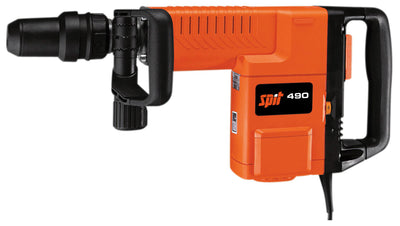
The demolition hammer is a power tool with high impact energy, designed for demolishing concrete, masonry and paving, chiselling, and removing plaster and screed. It is used with chisels and points, mostly with an SDS-Max shank.
The types included
- Corded breakers with power of around 1000-1600 W, for continuous use on site
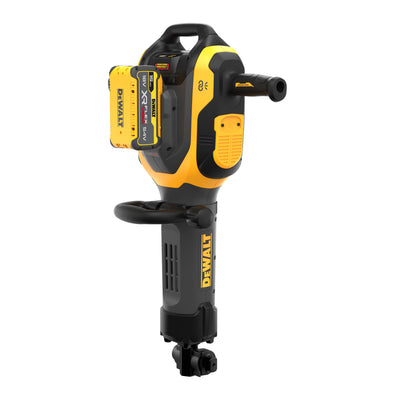
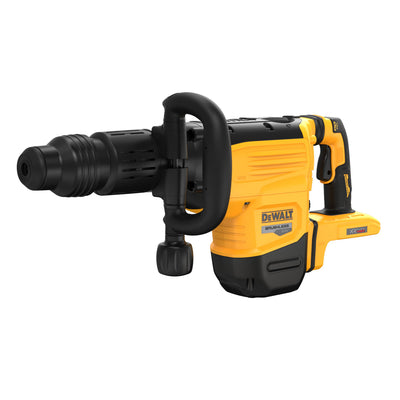
- 54 V cordless breakers, for working without a cable where there is no mains power
- Complete kits with case and chisels
The collection includes DeWalt, Stanley, SPIT and other AMES-branded models.
How to choose
Look at the impact energy, expressed in joules, and the weight in kilograms: more energy is needed for heavy demolition, less weight for overhead or prolonged work. Check the chisel shank and, for cordless models, the capacity in Ah and the number of batteries included. For prolonged use, a model with an anti-vibration system is worthwhile.
Prices and availability are defined on a quote basis: write to us or call us and the AMES team will propose the supply best suited to your job.
Active filters:
Products in this collection
In your quote
In compare
 In your quote
In compare
 In your quote
In compare
 In your quote
In compare
 In your quote
In compare
 In your quote
In compare
 In your quote
In compare
 In your quote
In compare
 In your quote
In compare
 In your quote
In compare
 In your quote
In compare
 In your quote
In compare
 In your quote
In compare
 In your quote
In compare
 In your quote
In compare
DeWalt
Cordless demolition hammer Exe 28 mm 54V XR FlexVolt, brushless motor DeWalt
Code DCH966Z2-QW
 In your quote
In compare
DeWalt
Cordless demolition hammer SDS-Max 54V XR FlexVolt brushless motor 9Ah DeWalt
Code DCH911X3-QW
 In your quote
In compare
DeWalt
Cordless demolition hammer SDS-Max 54V XR FlexVolt brushless motor body only DeWalt
Code DCH911NK-XJ
 In your quote
In compare
DeWalt
Cordless demolition hammer SDS-Max 54V XR FlexVolt, impact energy 19.4J DeWalt
Code DCH892X2-QW
 In your quote
In compare
 In your quote
In compare
DeWalt
Cordless demolition hammer SDS-Max 54V XR FlexVolt, impact energy 10.5J 9.9 m/s² DeWalt
Code DCH832X2-QW
 In your quote
In compare
DeWalt
Cordless demolition hammer SDS-Max 54V XR FlexVolt, impact energy 10.5J 11.8 m/s² DeWalt
Code DCH832N-XJ
 In your quote
In compare
DeWalt
Demolition hammer Exa, 28 mm, 31 kg, 62 J, 2100 W, with AVC, DeWalt D25981K-QS
Code D25981K-QS
 In your quote
In compare
 In your quote
In compare
DeWalt
Demolition hammer Exa, 30 mm, 16 kg, 35 J, 1600 W, with AVC, DeWalt D25961K-QS
Code D25961K-QS
Frequently asked questions: Demolition Hammers
What is a demolition hammer used for, and when is it better than a hammer drill?
A demolition hammer is used to break up concrete, masonry and paving, and to chisel off plaster and screed. It works with high-energy percussion and chisels or bits, so it suits heavy-duty work. To drill a hole in a wall, use a hammer drill instead, which is lighter and more precise for the hole.
What does impact energy in joules mean on a demolition hammer?
Impact energy, expressed in joules, indicates how much force the breaker delivers with each blow. Low values, such as the 8.5 J of some Stanley models, are enough to chisel and strip plaster. High values, such as the 27 J or 62 J of the high-power DeWalt models, are needed to demolish thick concrete.
Corded or cordless breaker: which should I choose for the site?
The choice depends on where you work. The corded model, at around 1000-1600 W, is designed for continuous use on site where mains power is available. The 54 V cordless version, such as the DeWalt XR FlexVolt models, works without a cable where there is no socket, with a run time that depends on the battery capacity.
Which safety rules apply to a demolition hammer?
The breaker produces high vibration and noise. Italian Legislative Decree 81/2008 on workplace safety requires the employer to assess these risks and to provide PPE (personal protective equipment), such as ear defenders, safety glasses and gloves to reduce vibration. Also check that the cable or battery is in good condition before each use.
Which chisels do I need with an SDS-Max breaker?
Most of the breakers in the collection have an SDS-Max fitting, so you need chisels and bits with the same fitting. Check the datasheet before buying: some models are sold as kits with a case and chisels, others as body only, in which case the chisels must be bought separately.
Who uses a demolition hammer, and for what jobs?
The breaker is used by bricklayers, installers and demolition contractors to remove floors, chase channels for services and knock down masonry and screed. Industrial maintenance workers also use it to break up small concrete bases and foundations, when more power is needed than a normal hammer provides.
How do I use a demolition hammer safely at work?
Rest the bit on the surface before switching the machine on, and do not force the tool onto the workpiece. Always use the side handle to keep control, wear safety glasses and hearing protection, and check that there are no hidden cables or pipes in the wall before you start chiselling.