
 In your quote
In compare
Hammers and Sledgehammers
48 products
This collection brings together hand hammers and sledgehammers for striking, demolition and stone working, with the spare parts to put them back into service: replacement heads and handles. They are everyday tools for bricklayers, carpenters and maintenance workers.
Types in the collection
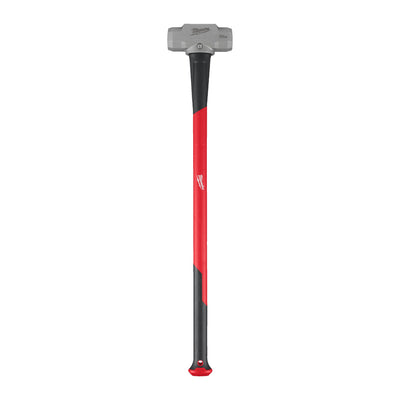
- Demolition and building sledgehammers, with fibreglass or wooden handle
- Mini sledgehammers with anti-vibration handle, easier to handle for precision work
- Stone hammers, such as the Catania, and bush hammers with toothed heads for working stone
- Mallets with rubber or other soft-faced heads
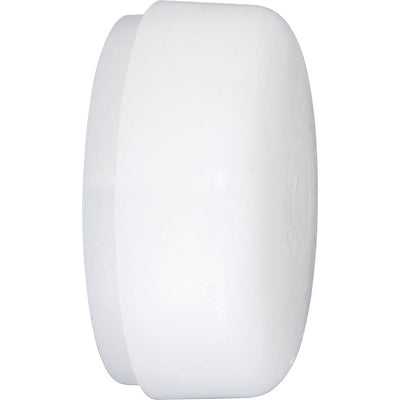
- Replacement heads and handles for carpenter's hammers
The brands included are Stanley, Fervi, Rubi, Milwaukee and A.M.E.S. srl.
How to choose
The weight of the head should be chosen according to the job: light weights for finishing, heavy weights for demolition. A fibreglass handle absorbs shocks better than a wooden one, which is easier to replace. For spare parts and handles, check the diameter of the eye of the head and the length.
Prices and availability are defined by quotation: write to us or call us and the AMES team will suggest the supply best suited to your job.
Active filters:
Products in this collection
In your quote
In compare
 In your quote
In compare
 In your quote
In compare
 In your quote
In compare
 In your quote
In compare
 In your quote
In compare
 In your quote
In compare
 In your quote
In compare
 In your quote
In compare
 In your quote
In compare
 In your quote
In compare
 In your quote
In compare
 In your quote
In compare
 In your quote
In compare
 In your quote
In compare
 In your quote
In compare
 In your quote
In compare
 In your quote
In compare
 In your quote
In compare
 In your quote
In compare
 In your quote
In compare
 In your quote
In compare
 In your quote
In compare
 In your quote
In compare
Frequently asked questions: Hammers and Sledgehammers
What are bricklayers' and carpenters' hammers and sledgehammers used for?
Hammers and sledgehammers are used to strike, demolish and work stone, as well as to drive and pull nails in wood. Bricklayers use sledgehammers and club hammers for roughing out and shaping, while carpenters use carpenter's hammers for wood. With replacement heads and handles, a tool can be put back into service without replacing it.
German-pattern hammer or carpenter's hammer: which should I choose?
The German-pattern hammer and the carpenter's hammer are both used for wood and carpentry, but they have different shapes. To choose, look at the weight of the head, the shape of the peen, that is, the part opposite the striking face, and the handle material. The catalogue includes the carpenter's hammer item 410 and the original OSCA German-pattern hammer item 103/D, to compare in the product sheets.
Which sledgehammer should I choose for demolition or for working stone?
For demolition, the catalogue lists demolition sledgehammers with fibreglass or wooden handles. For working stone, choose sledgehammers and stonemason's hammers with a head suited to the work, such as the gemma-head sledgehammers, and check the weight and head type in the product sheet. Choose a weight that lets you strike with control throughout the shift.
What is the difference between a bricklayer's club hammer and a sledgehammer?
The bricklayer's club hammer is smaller and lighter, designed for striking and shaping with precision. The sledgehammer is heavier and is used to strike with force. The catalogue includes bricklayers' club hammers, the Widia club hammer and the original OSCA 123 bricklayer's club hammer, as well as octagonal and gemma-head sledgehammers.
What handles are available for hammers and sledgehammers?
The catalogue lists fibreglass, wooden and anti-vibration handles, the latter on the mini sledgehammers. Choose the handle according to the grip you prefer and the type of work: wood is the traditional choice, while fibre handles are found on several models, such as the German-pattern hammer with fibre handle. The anti-vibration handle helps with prolonged precision work.
How do you replace the head or handle of a hammer?
The catalogue includes replacement heads and handles to put a hammer back into service. Before replacing, check that the spare is compatible with the model by looking at the dimensions in the product sheet. Fix the head to the handle with the wedge, as specified by the manufacturer, and do not use a cracked or loose handle.
Which mallet should I use for work that must not mark the piece?
Wooden mallets and mallets with rubber or other soft-faced heads are used to strike without marking the workpiece. They are useful for assembling, aligning or correcting delicate parts. The catalogue includes the wooden mallet and the mallets item 370 and item 1390. Choose the mallet according to the weight and size of the piece to be worked.
How do you use a hammer or sledgehammer safely?
Check that the head is firmly fixed and that the handle has no cracks. Wear safety glasses, because chips of stone or metal can hit the eyes, and gloves suited to the job. Hold the tool near the end of the handle and strike with the full face. Under Italian Legislative Decree 81/2008 on workplace safety, the employer provides PPE (personal protective equipment) and workers use it.