
 In your quote
In compare
Rulers
18 products
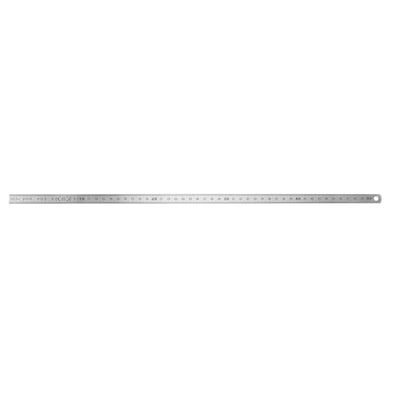
Steel rules are measuring and marking tools for checking lengths, straightness and flatness. They are used in the workshop, in carpentry, in joinery and on site.
Types included
- Flexible rules in stainless steel, with a bright or satin scale
- Easy-read rules with a prominent graduation
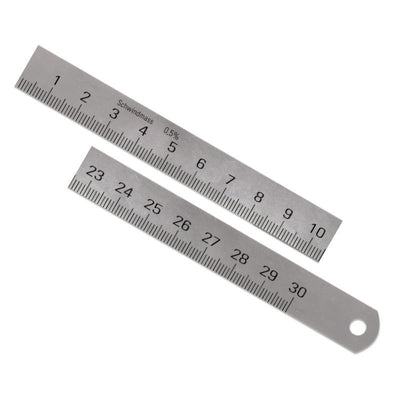
- Stainless steel rulers of short length
- Upholsterer's rules in flexible steel, up to 2 m
- Hardened steel rules for marking out and checking flat surfaces
Brands include: Metrica, Stanley, Unifix, Pavan and A.M.E.S. srl.
How to choose
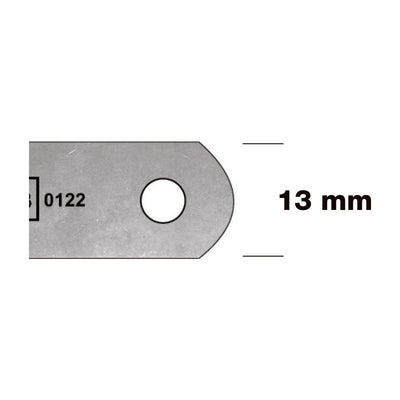
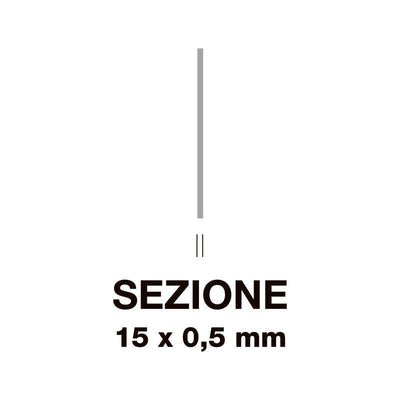
Choose according to length, flexibility and reading scale. A flexible rule adapts to uneven surfaces, a rigid one ensures greater precision in marking out. Stainless steel resists rust, and a satin scale reduces glare and makes reading easier. Finally, check the width and thickness of the blade, which affect ease of use and accuracy.
AMES Srl works on a quote basis: tell us the length and use and we will prepare the offer.
Active filters:
Products in this collection
In your quote
In compare
 In your quote
In compare
 In your quote
In compare
 In your quote
In compare
 In your quote
In compare
 In your quote
In compare
 In your quote
In compare
 In your quote
In compare
 In your quote
In compare
 In your quote
In compare
 In your quote
In compare
 In your quote
In compare
 In your quote
In compare
 In your quote
In compare
 In your quote
In compare
 In your quote
In compare
 In your quote
In compare
 In your quote
In compare
Frequently asked questions: Rulers
What are steel rules used for in the workshop and on site?
Steel rules are used to measure lengths, check the straightness of an edge and the flatness of a surface, and to mark straight lines. They are used in workshops, metalwork, joinery and on site, where you need a stiffer and more precise tool than a tape measure for close-range measuring.
What length of rule should I choose for the job?
The length is chosen according to the piece to measure: small stainless rules are handy for details and marking out, while flexible rules up to 2 m are for longer measurements. The 2 m upholsterer's rule, such as item 573, is an example of a length designed for wide measuring on fabrics and cloth.
Flexible or rigid rule: what is the difference?
A flexible rule bends and adapts to curved surfaces, and is useful for measuring along a profile or a fabric. A rigid hardened-steel rule is for checking the flatness of a surface and marking precise lines without deforming. Choose according to the job: checking and marking out, or measuring on irregular surfaces.
Which graduation is easiest to read on a rule?
Easy-read rules have a prominent graduation, with bolder numbers and marks, and are useful when working in poor light. Rules with a polished or satin scale reflect light differently, so it is worth trying them in the workshop to see which reads best in the conditions you work in.
Who uses rules, and for what jobs?
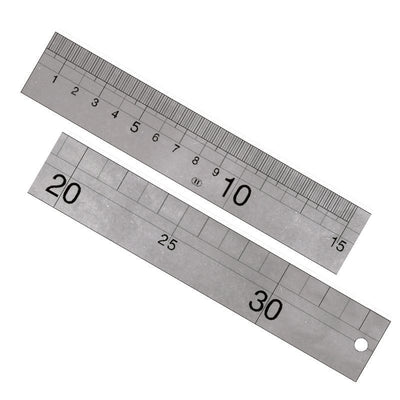
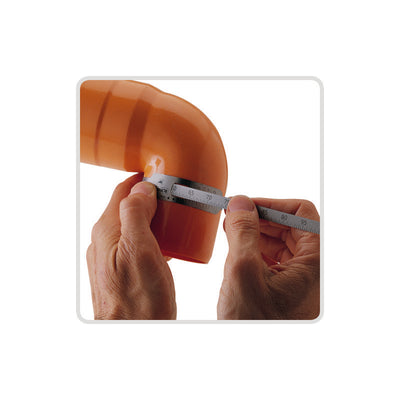
Rules are used by joiners, carpenters, upholsterers, model makers, printers and workshop quality inspectors. The stainless steel flatness straightedge is for checking the flatness of a surface, while the diameter gauge measures the diameter of pipes and round pieces. They are simple but indispensable tools for jobs that require precision.
How do I use a checking rule correctly?
Rest the checking rule on the surface without using it as a lever, and look at the light between the edge and the surface to see whether the surface is straight. When measuring, always align the zero with the edge of the piece and not with the edge of the rule, because wear on the edge can cause reading errors.
How should I store a rule so it does not get damaged?
Keep the rule away from knocks and from other tools that can mark its edge or deform it. Clean the steel after use and store it in a tool holder or hang it up, especially flexible rules, which bend easily if left on the bench. A marked or bent rule gives wrong measurements and should be replaced.