

All A.M.E.S. srl products
Double nipples, art. 280
Key features
- MaterialCast iron
- Available sizes (inches)1/4', 3/8', 1/2', 3/4', 1', 1'1/4, 1'1/2, 2'
What it is
Double nipples, art. 280. Key specifications: material Cast iron.
Threaded fittings include sockets, nipples, reducers, elbows, tees, crosses, plugs, unions and double nipples in galvanised steel or brass, used to connect, branch and close off the pipes of water systems.
What it is for
Used in the installation and maintenance of plumbing systems and for pipe laying.
How to use it
Clean the threads, wrap PTFE tape (or hemp with jointing paste) around the male thread in the direction of tightening, then screw in by hand and tighten with a pipe wrench without overdoing it. Fit a union where the section must be removable. When assembly is complete, pressurise the system and check for leaks.
Where it is used
- Building services
Technical data
- Material: Cast iron
Who it is for
Designed for plumbers and heating and plumbing engineers.
Related products
- Reduced brass extension art. 300
- Reducing nipples in galvanised steel
- Black gaskets for hoses — from the category Sealing Fittings
- Cylinder keys GAS — from the category Plumber's Wrenches
- Pipe wrenches Mundial art. 502S — from the category Plumbing Tools
- Browse the whole category: Galvanised Pipe Fittings
Before you order
Tell us the quantities you need and the intended use: if there is a more suitable version, or an equivalent available sooner, we will let you know.
For prices and availability, request a quote from AMES Srl: we will reply with our quotation, delivery times and, where needed, an equivalent technical alternative.
Quantity

Specifications 2
| Material | Cast iron |
|---|---|
| Available sizes (inches) | 1/4', 3/8', 1/2', 3/4', 1', 1'1/4, 1'1/2, 2' |
The perfect setup for this job
Everything you need in one place, from functionality to safety.
For the job

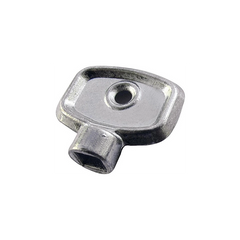
A.M.E.S. srlRadiator bleed key
Tighten fittings, pipes and traps in the tight spaces of water and gas installations.

A.M.E.S. srl90° pipe wrench
Cut, bend and tighten pipes and fittings for installing systems and taps.
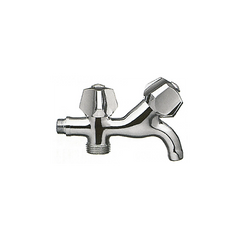
A.M.E.S. srlDouble taps art. 0.71/0
Dispense and regulate water in the plumbing of bathrooms, kitchens and toilets.