
 In your quote
In compare
Club Hammers
30 products
Club hammers are heavy, short-handled, square-headed hammers designed for striking chisels, bits and punches with force. On site they are used to break up and chisel masonry and plaster, to rough-dress stone and to drive in stakes and wedges; they are basic tools for bricklayers, carpenters and maintenance operatives.
Types of club hammer available
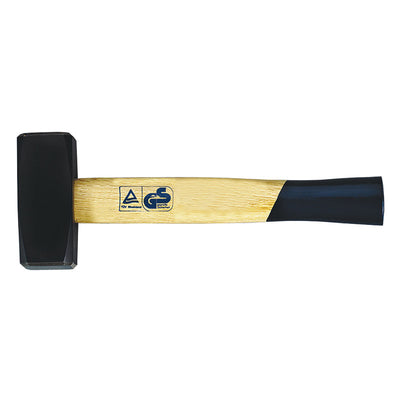
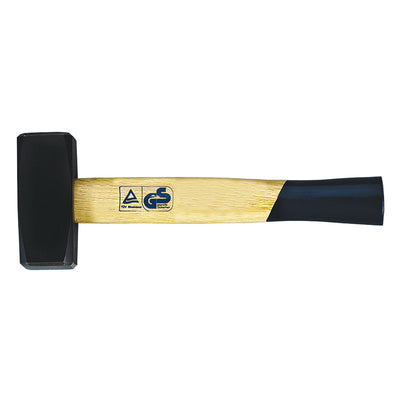
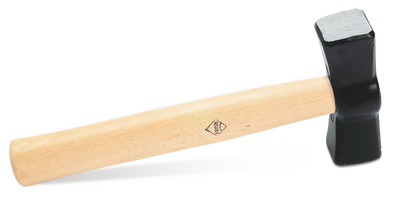
- With wooden handle: the classic bricklayer's version.
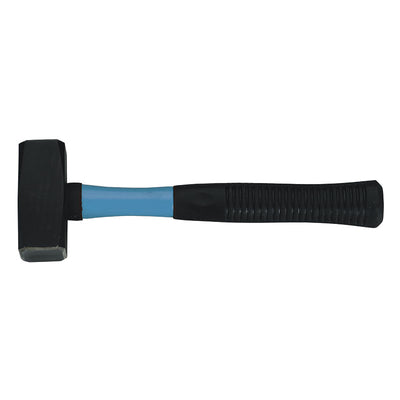
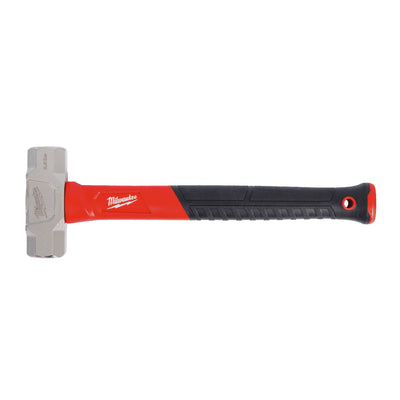
- With fibreglass or synthetic handle: rubber-coated grip and a sturdy handle, including flex-handle versions.
- Double-headed or double-faced: two striking faces on the same tool.
- In different weights: from club hammers of just over a kilo to those of almost two kilos.
The collection includes Stanley, DeWalt, Milwaukee, Rubi, Fervi and Mass club hammers.
How to choose
Weight matters most: a heavier head does more on demolition work, while a lighter one is less tiring on long or precision jobs. Then consider the handle material and the grip, since gloves are often worn. For orders and availability, AMES Srl works by quotation: write or call us and we will reply with lead times and terms.
Active filters:
Products in this collection
In your quote
In compare
 In your quote
In compare
 In your quote
In compare
 In your quote
In compare
 In your quote
In compare
 In your quote
In compare
 In your quote
In compare
 In your quote
In compare
 In your quote
In compare
 In your quote
In compare
 In your quote
In compare
 In your quote
In compare
 In your quote
In compare
 In your quote
In compare
 In your quote
In compare
 In your quote
In compare
 In your quote
In compare
 In your quote
In compare
 In your quote
In compare
 In your quote
In compare
 In your quote
In compare
 In your quote
In compare
 In your quote
In compare
 In your quote
In compare
Frequently asked questions: Club Hammers
What are club hammers used for?
Club hammers are heavy, short-handled hammers with a square head, designed for striking chisels, bits and punches with force. On site they are used to demolish and chisel masonry and plaster, to rough-dress stone and to drive in stakes and wedges. They are basic tools for bricklayers, carpenters and maintenance workers.
Club hammer with a wooden or fibreglass handle: which should I choose?
The wooden handle is the classic bricklayer's version, traditional and easy to find. The fibreglass or synthetic handle has a rubberised grip and a sturdy shaft, including in the flex-handle versions. The choice depends on how you use the tool and how much grip matters in your daily work.
What weight of club hammer should I choose for demolition?
Choose the weight according to the material to be worked: for light masonry lower weights are enough, while stone and concrete need heavier hammers. The catalogue includes 1.8 kg models and other weights. Choose a hammer that you can control accurately for the whole duration of the job.
Double-headed or double-faced club hammer: what are they for?
A double-headed or double-faced club hammer has two striking surfaces on the same handle, so you can work with two different faces without changing tools. It is useful when alternating between striking and rough-dressing, or where a wider surface is needed on one side. Check that the head is firmly fixed to the handle before use.
How do you use a club hammer safely?
Wear safety glasses and gloves, because stone chips or plaster fragments can fly off while striking. Check that the handle is not cracked and that the head is firmly fixed. For more control, grip the handle close to the head, for more power further down, and take care not to hit the chisel from the side.
Which brands of bricklayer's club hammer should I choose?
The catalogue includes Stanley club hammers with a wooden or synthetic handle, Milwaukee with a fibreglass handle, and DeWalt, Rubi, Fervi and Ingco. Choose according to the type of handle and the weight you need, rather than the brand. Check that the handle suits the grip you normally use.
How do you chisel a wall with a club hammer without causing damage?
Strike the chisel evenly, with firm but not violent blows, working in small areas so as not to create cracks further away. Hold the chisel at an angle and work from the edge towards the centre, so the material comes away more easily. Before demolishing, check for cables or pipes in the wall, because hitting an installation is dangerous.