
 In your quote
In compare
Sleeve Anchors
32 products
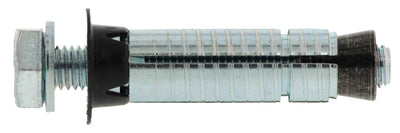
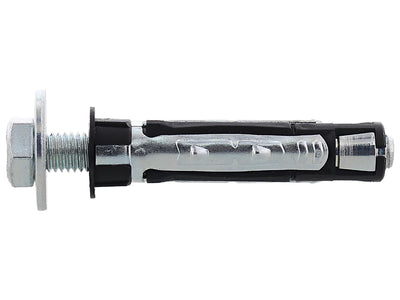
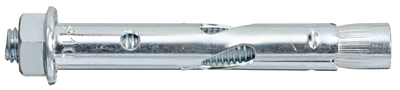
Sleeve anchors are metal plugs with a sleeve that expands in the hole when the screw or nut is tightened, locking itself in the base material. They are used to fix shelves, brackets, services and light to medium structures to concrete and masonry. The collection includes items by DeWalt, Unifix, SPIT and others.
Types in this collection
- Sleeve anchors with hex head bolt.
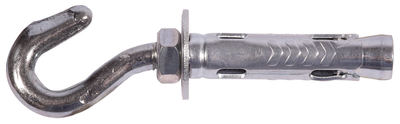
- Hook versions for suspending loads.
- Fixings with threaded rod and nut.
- Through-fixing anchors and concrete screws.
How to choose
Check the diameter and length of the anchor, the thickness of the part to be fixed, the type of base material and the load to be supported. For heavy loads or poorly compact base materials, ask for advice.
AMES works on a quotation basis: not all items are available from stock. If you are unsure what to choose, tell us the material, the base material and the quantity: we will reply with the alternatives available. For a tailor-made supply, write to us or call us and we will help you prepare the quotation.
Active filters:
Products in this collection
In your quote
In compare
 In your quote
In compare
 In your quote
In compare
 In your quote
In compare
 In your quote
In compare
 In your quote
In compare
 In your quote
In compare
 In your quote
In compare
 In your quote
In compare
 In your quote
In compare
 In your quote
In compare
 In your quote
In compare
 In your quote
In compare
 In your quote
In compare
 In your quote
In compare
 In your quote
In compare
 In your quote
In compare
 In your quote
In compare
 In your quote
In compare
 In your quote
In compare
 In your quote
In compare
 In your quote
In compare
 In your quote
In compare
 In your quote
In compare
Frequently asked questions: Sleeve Anchors
What are sleeve anchors used for?
They are metal anchors that fix shelves, brackets, building services and light or medium structures to concrete and masonry. The sleeve expands in the hole when the screw or nut is tightened, locking the anchor in the substrate. They are used by installers, maintenance technicians and window and door fitters when a reliable, removable mechanical fixing is needed.
What is the difference between a hex-head screw anchor and a hook anchor?
The hex-head screw version is screwed in directly to fix an element, such as a bracket or a shelf. The hook version, such as the Unifix Anchor with Hook or the TAM Anchor with hook, is used to suspend loads. Choose according to the type of connection to be made and check the permitted load on the data sheet.
Which anchors are used on concrete and which on masonry?
The substrate declared on the technical data sheet of each anchor is the figure to follow, because concrete and masonry need anchors with different characteristics. The collection includes the TAM, SLM, FSL and FSA series, as well as DeWalt, Unifix and SPIT anchors. Before choosing, check on the data sheet which substrate the model is declared for.
Which DeWalt sleeve anchor sizes are in the collection?
There are DeWalt sleeve anchors in sizes 12 x 80, 12 x 65, 10 x 100 and 10 x 80, with codes DFM1210570, DFM1210540, DFM1210510 and DFM1210480. The sizes are shown in the title of each item. Compare them with the manufacturer's data sheet before drilling the hole, because the drill bit diameter must match what is specified.
How do I choose the length of a sleeve anchor?
Check the thickness of the material to be fixed and the usable depth of the substrate, because the anchor must grip in the sound part of the concrete or masonry. An insufficient length reduces holding power, while one that is too long may not expand properly. The hole diameter must match what the manufacturer's data sheet specifies.
What precautions are needed when installing a sleeve anchor?
Drill with the bit diameter given on the data sheet, clean the hole of dust and debris and insert the anchor all the way in. Tighten the screw or nut to the torque specified by the manufacturer, without overdoing it, because over-tightening can damage the substrate. When drilling, wear safety glasses and hearing protection.
Which jobs use sleeve anchors most often?
They are used to fix shelves, brackets for services, pipe supports, shelving units and light structures in existing buildings. You find them on refurbishment sites, in maintenance work and in electrical and plumbing installations. For heavy loads or important structures, a technician's check is needed, not just the choice of anchor.